Texts
Review: Art Busan 2025, An art fair aspiring to become a platform — What was gained, and what was left behind?
2025.05.13
Editorial Team
Art Busan 2025 concluded its four-day run on May 11 at BEXCO in Haeundae, Busan.
Now in its 14th edition, the fair brought together 109 galleries from 17 countries in an effort to reinforce Busan’s position as a hub of contemporary art in East Asia. However, the outcome reflected more of the current art market realities than a major shift.
While the fair was praised for its ambition to evolve into an “art platform,” the challenges of a polarized market, regional imbalance, and a sluggish economy remained evident.
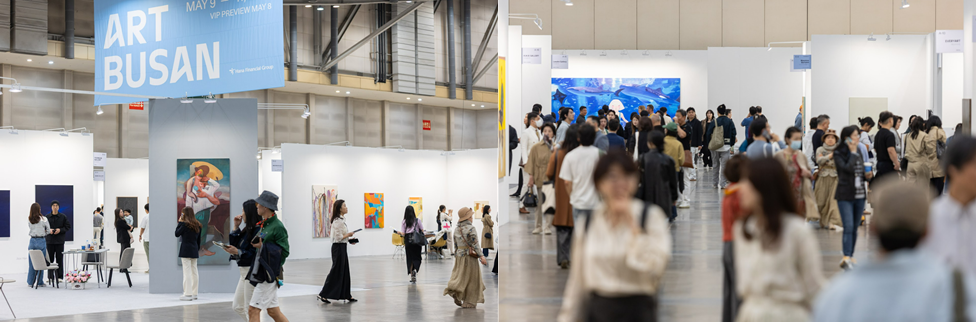
Scene from Art Busan 2025 / Courtesy of Art Busan
A Quiet Opening, A Cautious Market
Despite the fair’s stated pivot away from sales toward connecting “art, people, the local, and the global,” the atmosphere on site was subdued—at times even sparse. Approximately 60,000 visitors attended, a drop of 10,000 from the previous year. The VIP preview on May 8 lacked the usual buzz, and “red dots” (indicating sales) were rarely seen, even at major gallery booths. Whispers that “not a single piece sold” circulated early on.
The Divide Between the Sellers and the Unsold
Established galleries continued to dominate. Gallery Hyundai sold out all 12 works in Kim Bohee’s new ‘Towards’ series, surpassing KRW 1 billion in sales. Johyun Gallery sold three major paintings and sculptures by Lee Bae, totaling KRW 700 million.
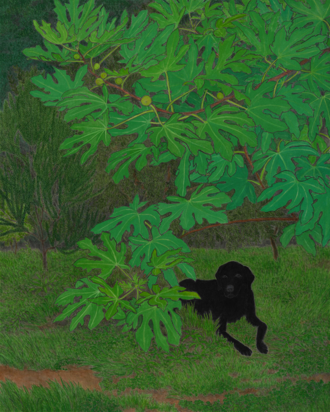
Towards (2025) by Kim Bohee, presented by Gallery Hyundai / Courtesy of Art Busan
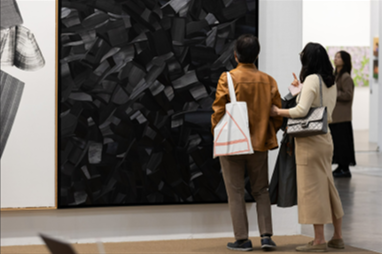
Work by Lee Bae, presented by Johyun Gallery / Courtesy of Art Busan
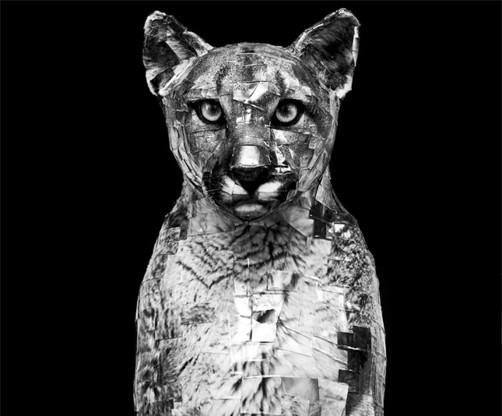
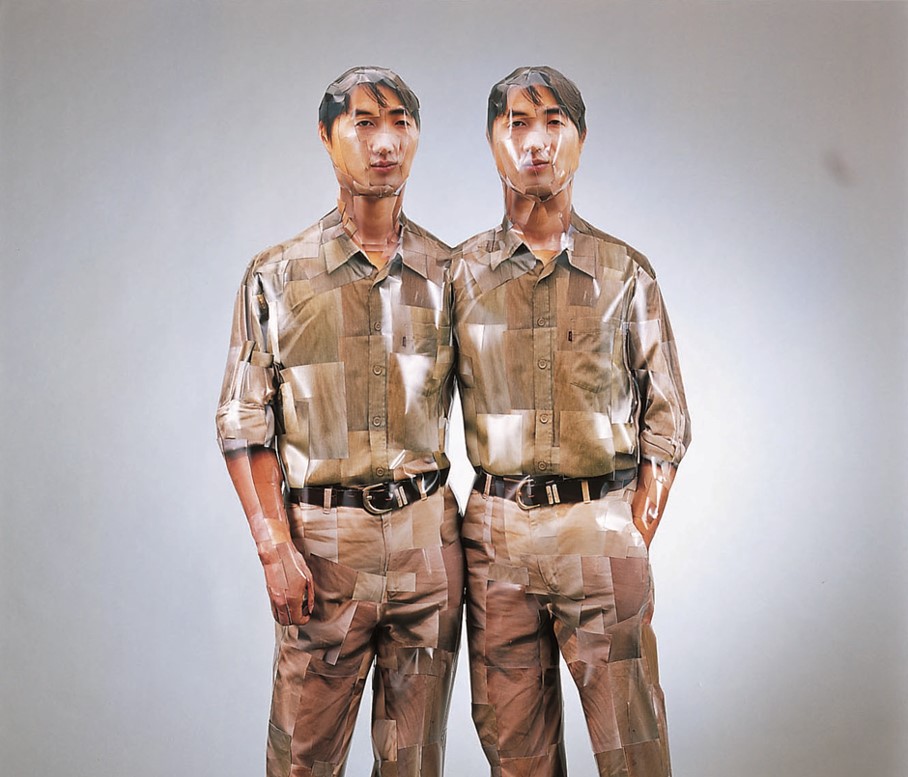
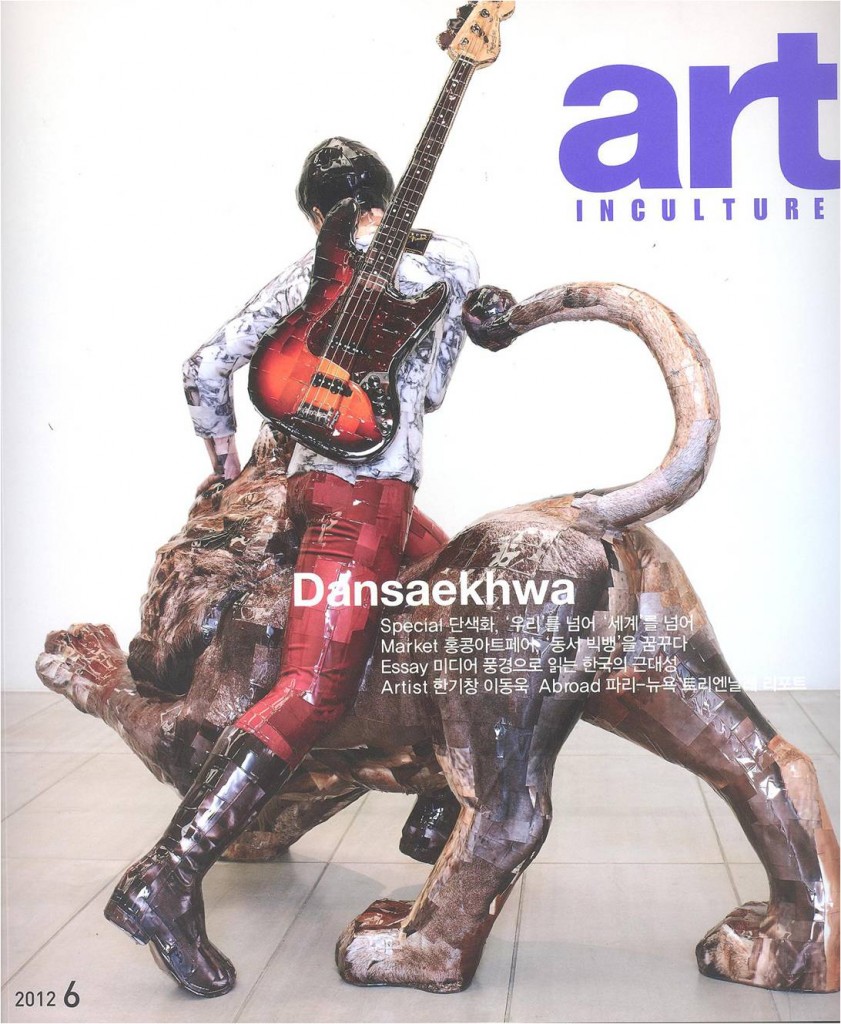
PKM Gallery sold works by Yun Hyong-keun, Lee Wonwoo, and Hong Young-in, earning approximately KRW 300–400 million. Arario Gallery also maintained its standing by selling more than 30 works by key artists such as Gwon Osang and Kohei Nawa.
Meanwhile, smaller and emerging galleries struggled. Some left the fair without a single sale, prompting industry insiders to remark that “the days of easy sales at Art Busan are over.”
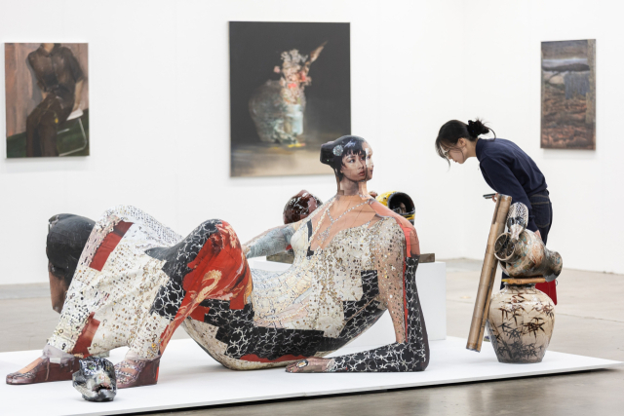
Arario Gallery booth featuring photographic sculptures by Gwon Osang / Courtesy of Art Busan
Curatorial Innovation, but Limited Risk
Art Busan 2025 made visible efforts to expand beyond the booth format.
The 《CONNECT》 special exhibition featured six artists—including Kim Sang-don, Kwon Doyeon, Alexander Ugay, and Hou I-Ting—exploring themes of “territory and boundary” through large-scale installations both inside the venue and in outdoor spaces like Domohun Garden.
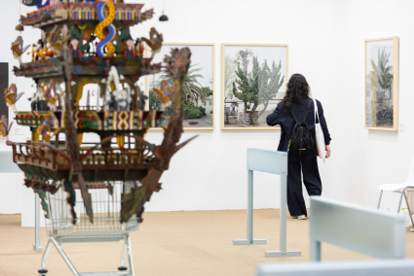
Work by artist Kim Sang-don featured in the ‘CONNECT’ special exhibition / Courtesy of Art Busan
The ‘CONVERSATIONS’ program included nine sessions in collaboration with international institutions such as Tokyo Gendai, Hamburger Bahnhof (Berlin), and Garage Museum of Contemporary Art. Yet, despite this expanded scope, critics noted a lack of true curatorial risk in the artworks presented. Some pointed out the limited presence of heavyweight international artists, questioning whether the event truly embodied a “Global Art Fair.”
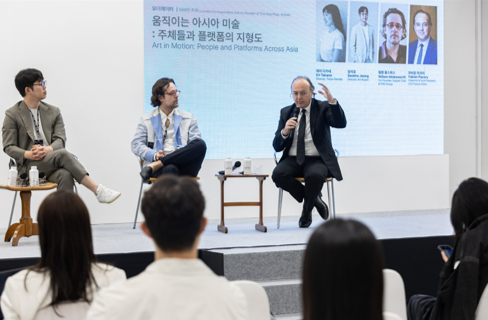
‘CONVERSATIONS’ Talk program. (Left) Jung Seok-ho, Director of Art Busan; (Center) Willem Molesworth; (Right) Fabien Pacory
A highlight was the panel ‘Art in Motion: People and Platforms Across Asia’, where participants Willem Molesworth and Fabien Pacory engaged in meaningful dialogue on the direction of Asian contemporary art.
Molesworth, co-founder of Hong Kong-based PHD Group and experimental platform Supper Club, emphasized new formats beyond traditional art fairs. Pacory, a Guangzhou-based art advisor and cultural entrepreneur, offered insights into cross-border artistic dynamics in the region.
Who’s Paying Attention to Emerging Artists?
Sponsored by Hana Financial Group, the newly introduced ‘Future Art Award’ went to Jeffrey Cheung Wang of WWNN, whose works sold out entirely. Galleries like SANGHEEUT, HoHo Gallery, CDA, and Gallery Hesed also drew collector interest in the ‘Future’ section. Meanwhile, ‘Art Accent,’ a zone highlighting regional emerging artists, saw promising sales for names like Choi Minyoung and Lee Eun-kyung.
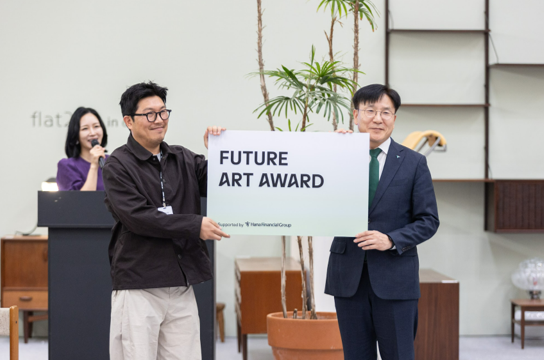
Oh Joo-hyun, Director of WWNN Gallery, winner of the ‘Future Art Award’ / Courtesy of Art Busan
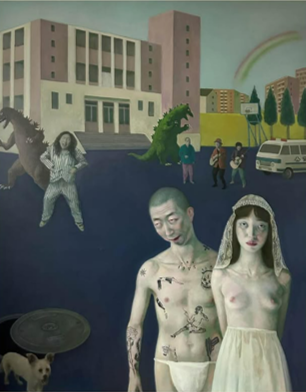
Artwork by Jeffrey Chong Wang, presented by WWNN Gallery / Courtesy of Art Busan
However, there was criticism over the treatment of these artists: “Grant-supported emerging artist booths were tucked away, lacked proper signage, and even lacked gallery attendants—leaving artists to guard their own work.” While Art Busan claims to be evolving into a platform, its support for young talent remains uneven.
Fewer VIPs, and the “East Asian Platform” Still Distant
Attendance fell, and Seoul-based collectors continued to dominate. The absence of several major domestic galleries—such as Hakgojae and Gallery Baton—raised concerns about the fair’s trajectory. The fair’s slogan, “East Asian Platform,” felt more aspirational than realized.
That said, some international galleries made a strong impression. Tang Contemporary (Hong Kong) sold Yue Minjun’s Peach Blossom for KRW 500 million, and Canada Gallery (New York) sold a painting by Katherine Bernhardt for approximately KRW 140 million.
Fabien Pacory remarked, “Art Busan stands out with its strong focus on young Korean artists. If it can maintain and develop this identity, it has the potential to become a significant platform in art history.”
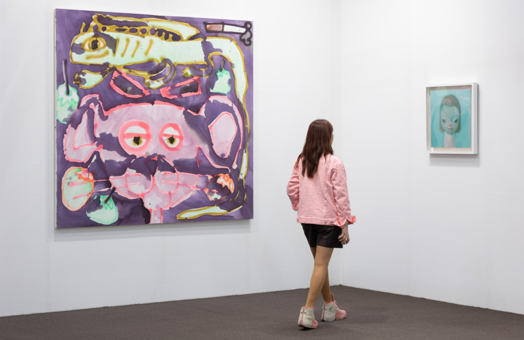
Painting by Katherine Bernhardt, presented by Canada Gallery (New York) / Courtesy of Art Busan
Platform Aspirations Meet the Realities of Survival
Art Busan 2025 clearly attempted to transcend its image as a sales-centric fair. Through experimental programs, global partnerships, and regional outreach, it pushed toward the idea of being a “platform.” However, the disparities between commercial success and curatorial ambition, between center and periphery, between Seoul and the provinces, and between established and emerging galleries remained unresolved.
Art fairs sit at the intersection of art and capital. Content quality and international collaboration matter, but without a keen understanding of buyer behavior and market dynamics, such efforts risk losing traction.
The Key Challenges Are Clear:
- Transparent Sales Reporting: Rather than concealing numbers, the fair must foster a culture where success and failure can be openly shared, building market trust.
- Structural Support for Emerging Artists: Beyond inclusion, young artists deserve professional presentation—well-curated displays, accurate labeling, and engaged communication.
- Decentralization from Seoul: If regional relevance is truly the goal, long-term strategies to engage local collectors must be developed.
- True Platform Thinking: A platform is not just about gathering people; it’s about building sustainable networks between artists, galleries, and collectors.
Art Busan 2025 knocked on the door of something greater, but has yet to fully cross the threshold.
As Director Jung Seok-ho aptly put it, “We must now shift from short-term gains to long-term relationships and trust.”
Ultimately, the future of an art fair lies not in statistics but in systems—not in buzz, but in structure. And only when that shift occurs can Art Busan truly be recognized as the representative art fair of East Asia.
Writings