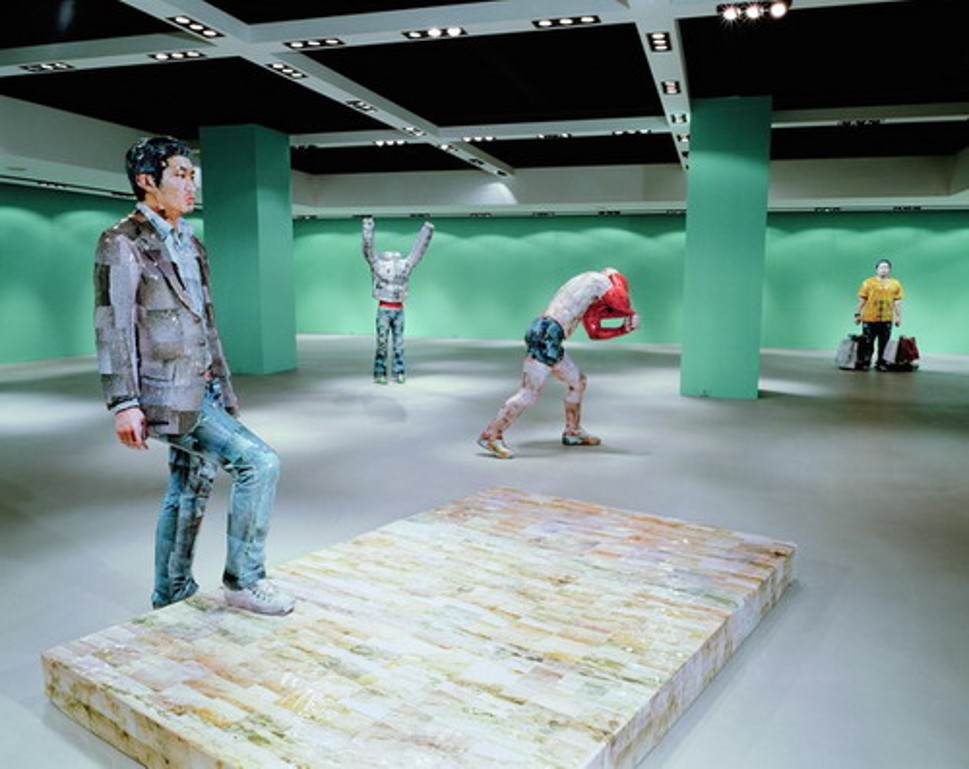
왜소한 조각가, 권오상 권혁재 기자의 不-완벽 초상화 - GWON OSANG

Articles

왜소한 조각가, 권오상 권혁재 기자의 不-완벽 초상화

2012.10.21

권혁재 기자 | 중앙선데이
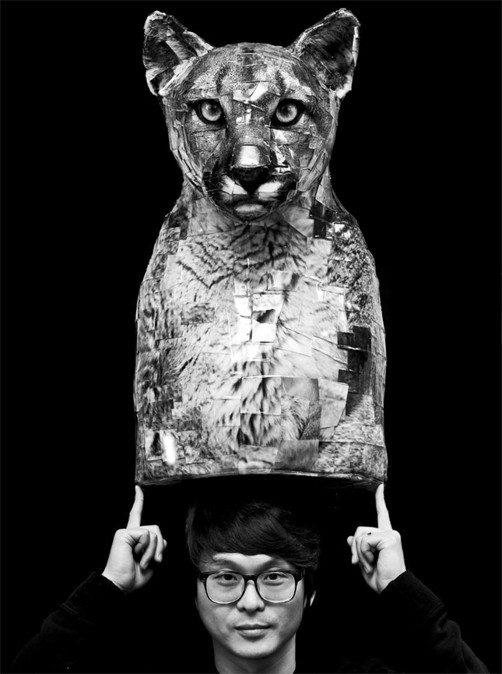
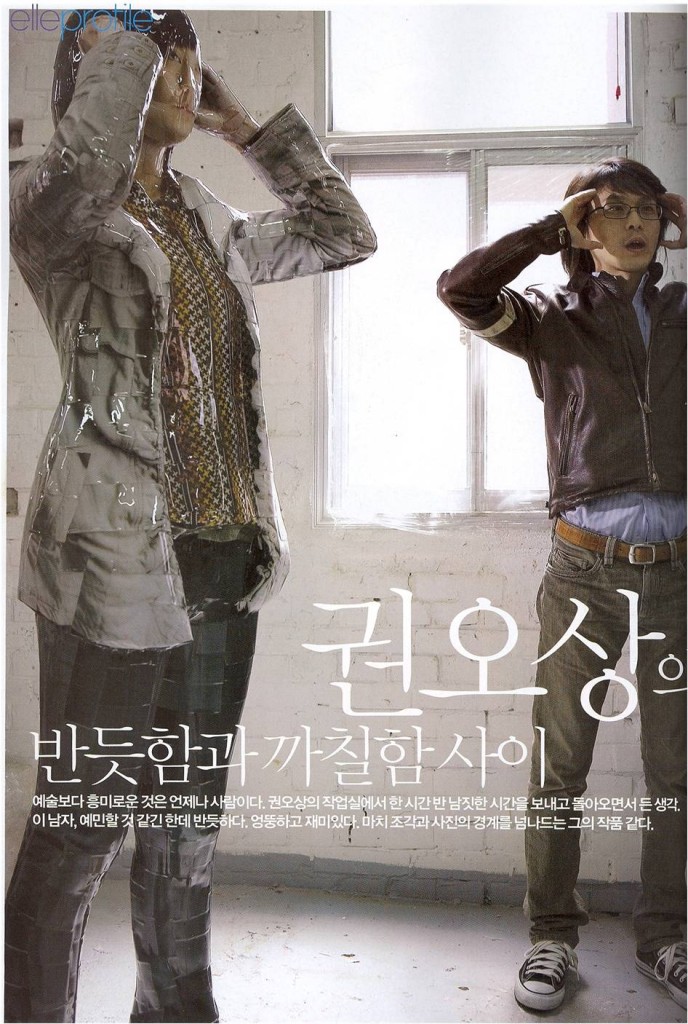
“조각가치고는 왜소한 체격. 무거운 조각상을 다루며 옮기기가 버거웠다.

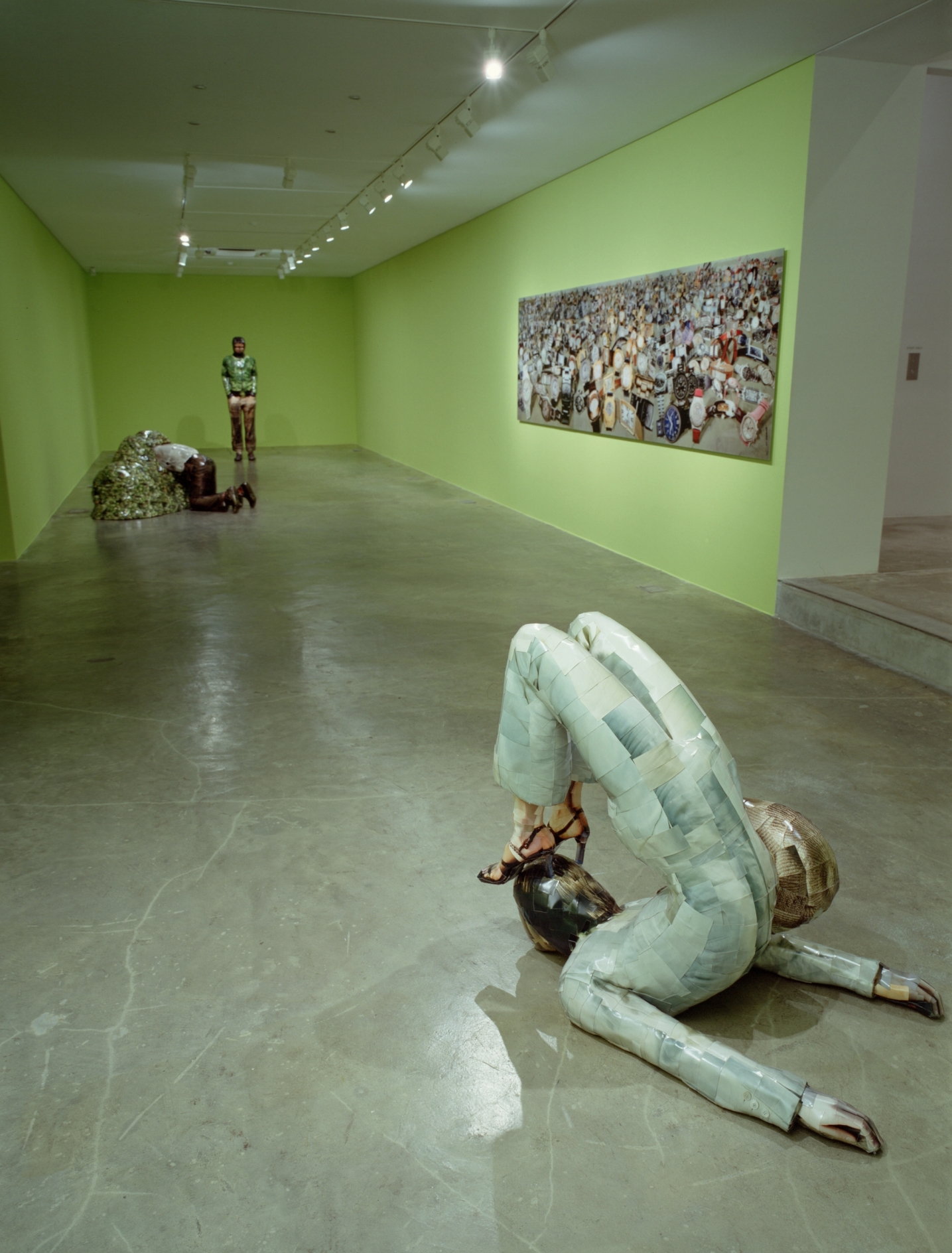
옮기기 쉽고 가벼운 조각을 궁리했다. 사진을 오려 붙여 입체 조각상을 만들었다.

내가 머리에 인 조각상의 무게는 2.990kg.

세상 어디에도 없던 ‘사진 조각’은 나의 왜소함에서 탄생했다.”

Writings
Articles

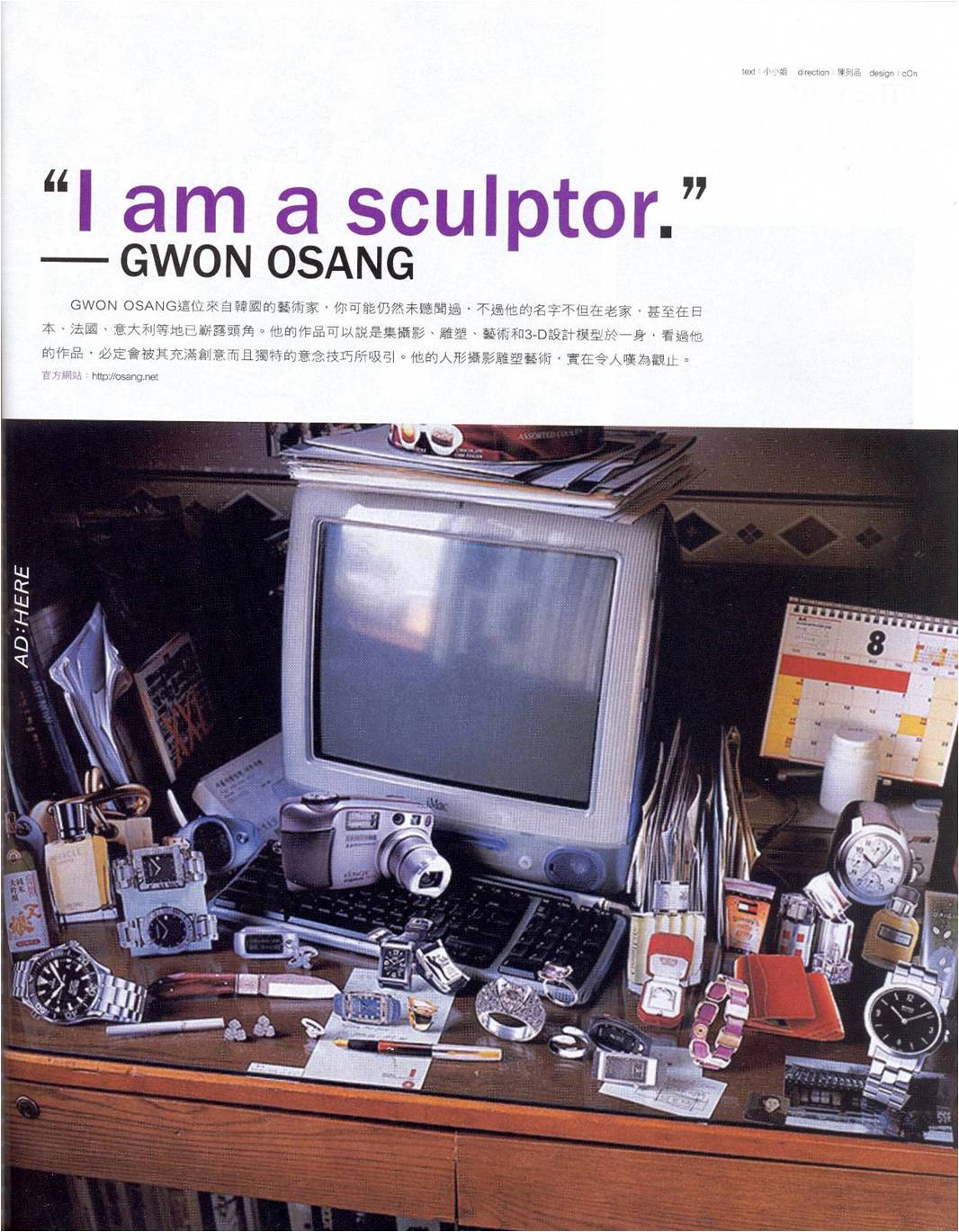
"I am a sculptor"

Gwon Osang

January, 2008

Criticisms

A new method of playing with illusion and reality – Gwon Osang

On February 17, 2004, at the opening of the 《Real Reality》 show at Kukje Gallery, the artist Gwon Osang seemed to have put everything that was of the 90s behind him, and in doing so, marked a small but significant victory. Through 《Real Reality》, Gwon became the first artist to come knocking on the doors of commercial success, and move beyond the obscure fray of the present art scene, largely made up of “second-generation baby boomer” artists and established by the tendencies of the 1990s. (“Second-generation baby boomers” refers to those born in Korea in the early-and mid-1970s. The birth rate statistics chart for post-war Korea resembles a camel with two humps. The first generation of baby boomers was born in the mid-and late-1960s, and the talkative and problematic 386 generation constitutes its core group.[1] While the population momentarily paused in 1971, the figures exploded again in the mid-1970s. Those born during that time are the second-generation baby boomers, known as the “Seo Taiji” [2]generation, which led the way to a mass consumer culture.) 《Real Reality》 represented a very significant event, as the first show within the domestic commercial gallery system that featured young Korean artists in their early 30s as the exhibition headliners. (In form, 《Real Reality》 was a four-person show that included Bae Bien-U (b.1950), Gwon Osang (b.1974), Lee Yoon-jean (b.1972) and Lee Joong-keun; in actuality, it was more like a three-person show of Gwon, Lee Yoon-jean and Lee Joong-keun.) When editions of the works in the show sold in large numbers following the opening, this served as proof that a domestic market able to handle young Korean artists really did exist. Did this mean that a new “niche market” had been cultivated? Sure enough, a little later on in February 2005, Gwon captured the public eye when he was chosen by Ci Kim (Kim Chang-il), head of Arario Gallery, to be a represented by Arario, and the artist soon entered a one-year hiatus. (As of 2006, Arario Gallery represents a total of 8 Korean artists: Gwon Osang, Koo Dong-hee, Lee Hyungkoo, Chung Sue-jin, Baek Hyun-jin, Park Sejin, Lee Dong-wook, and Jeon Joon-ho; and seven major Chinese artists: Wang Guanyi, Yue Minjun, Zhang Xiaogang, Liu Jianhua, Sui Jianguo, Fang Lijun, and Zeng Hao.)

2006.12.20