2011 January
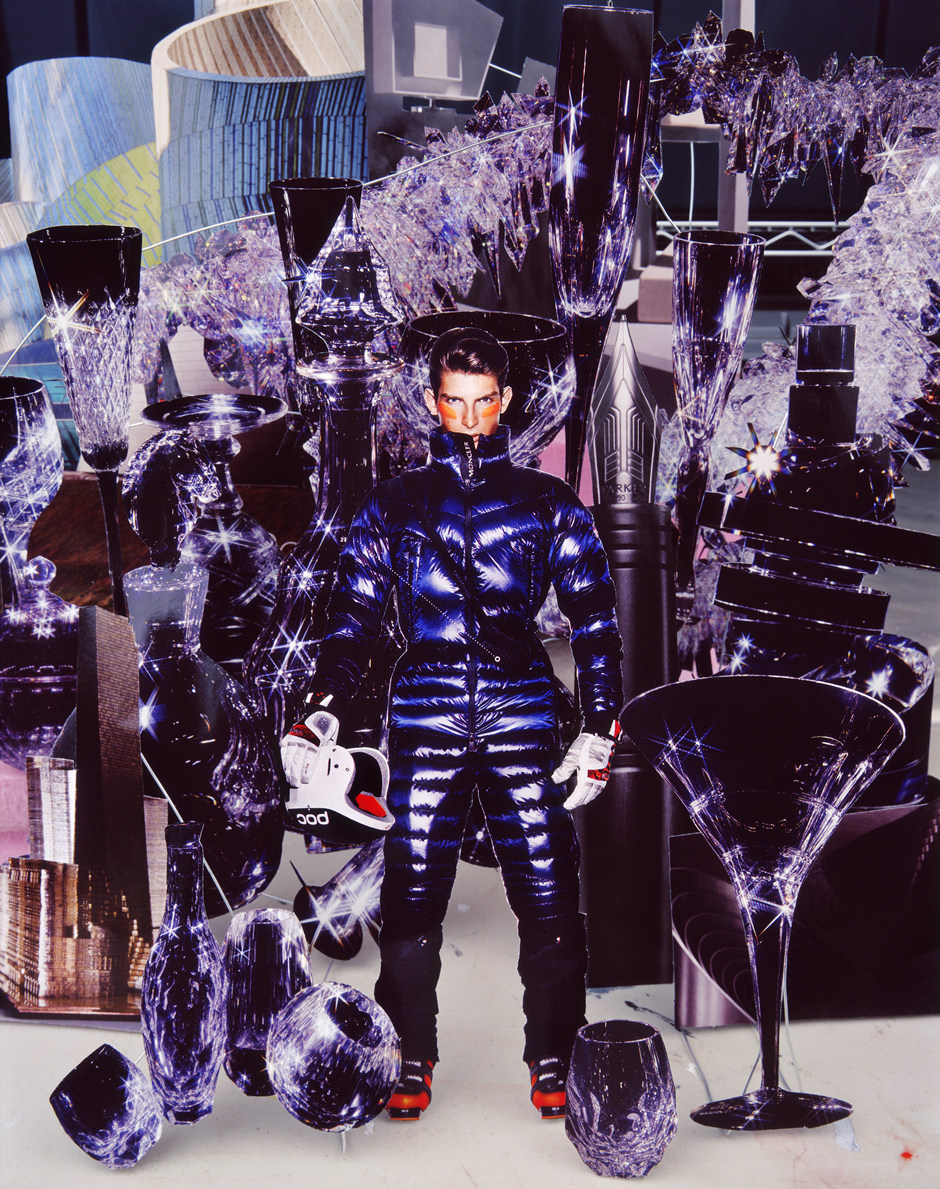
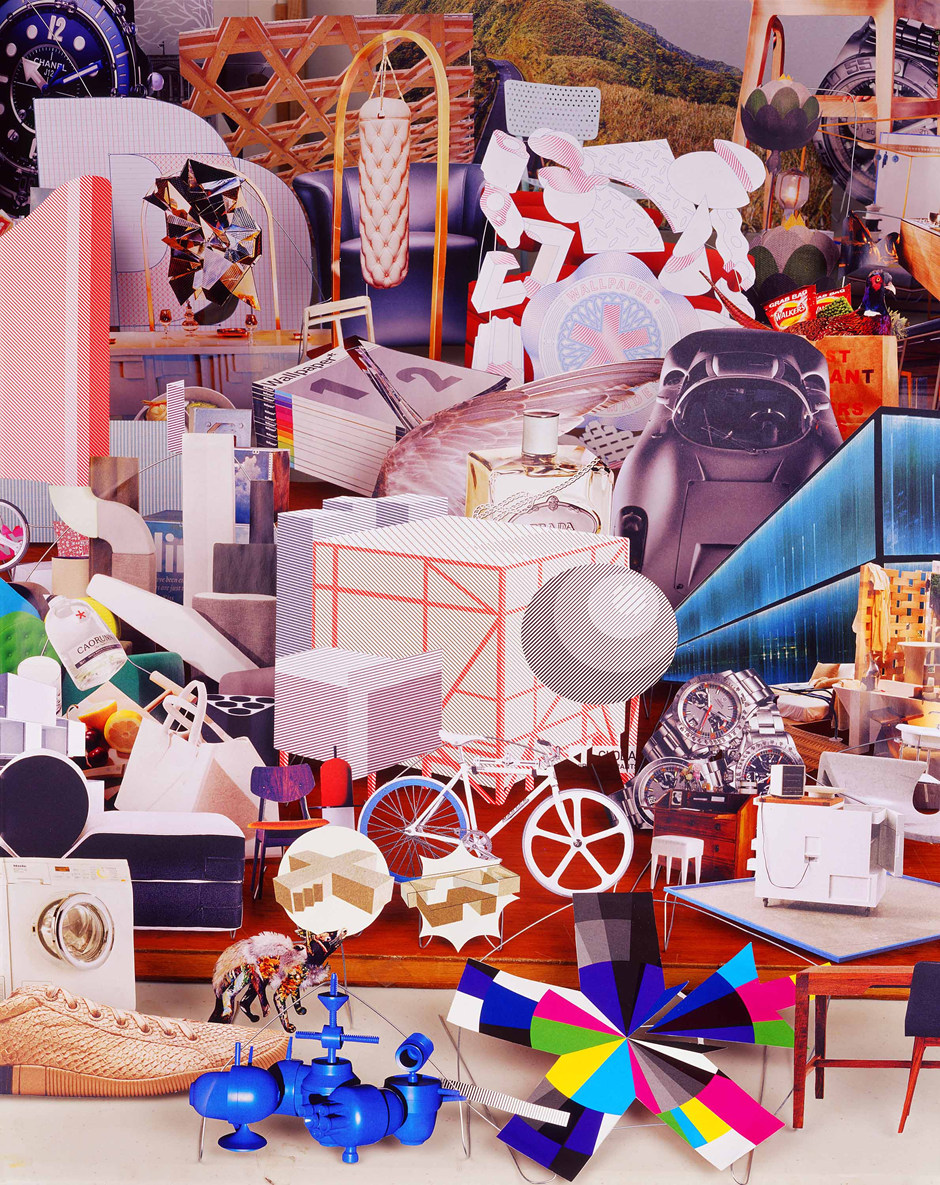
2012 Lightjet print, wood frame 217.6 x 172 cm
Provenance
Artist Collection, 2026
About The Work
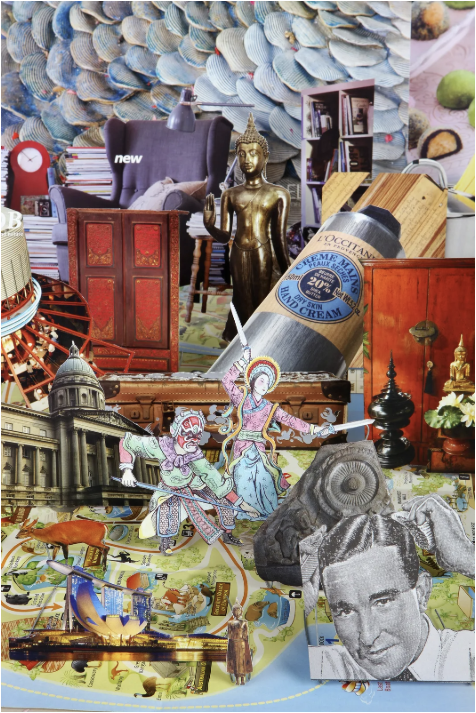
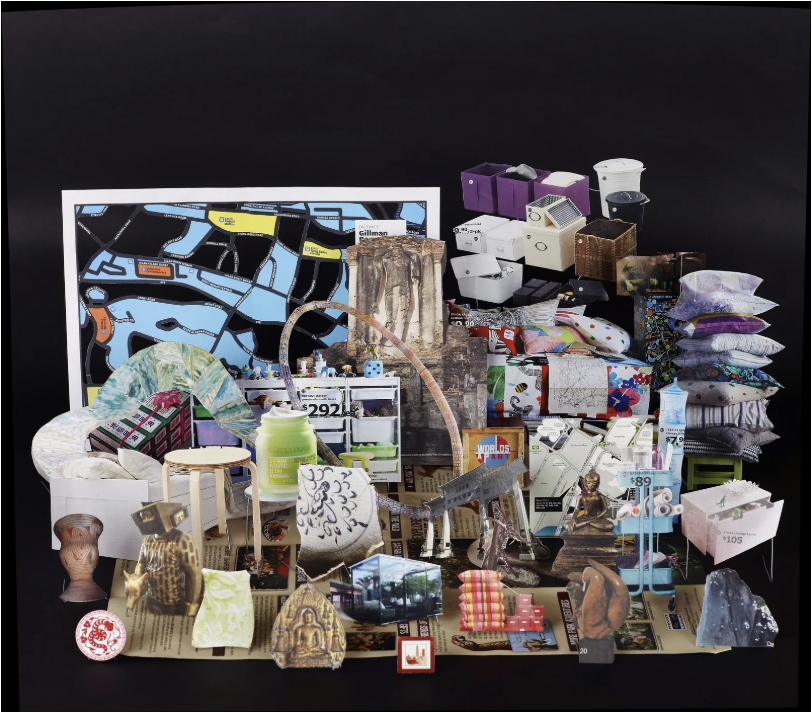
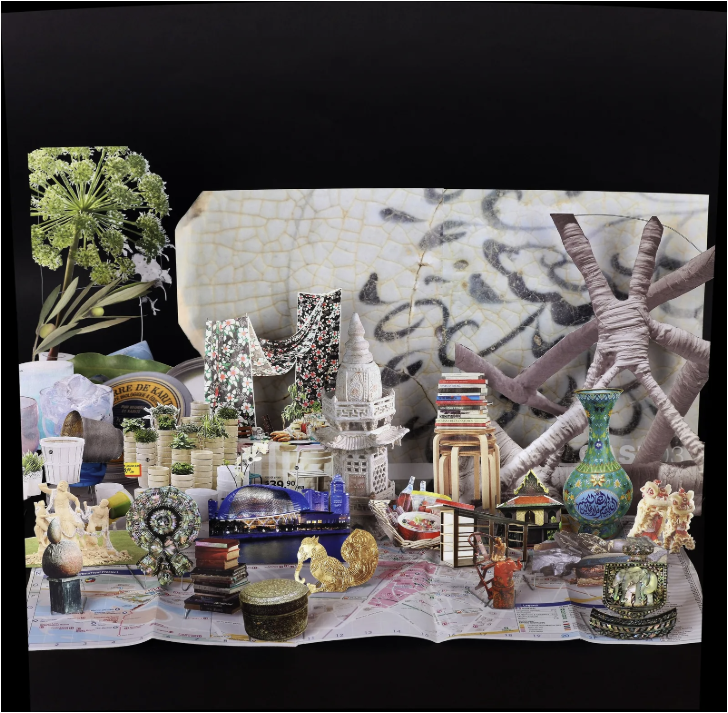
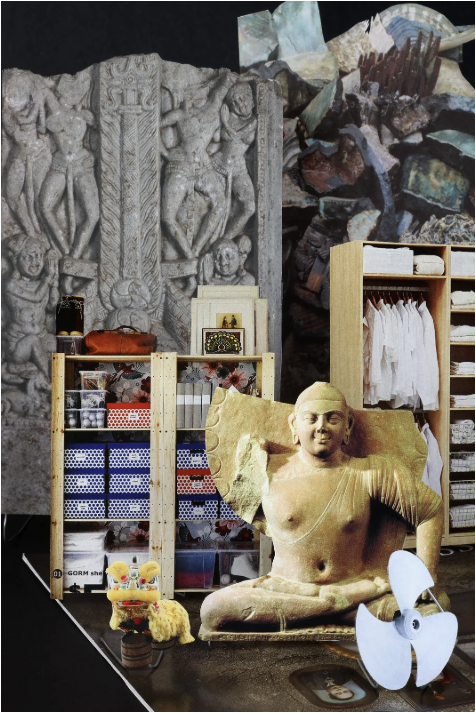
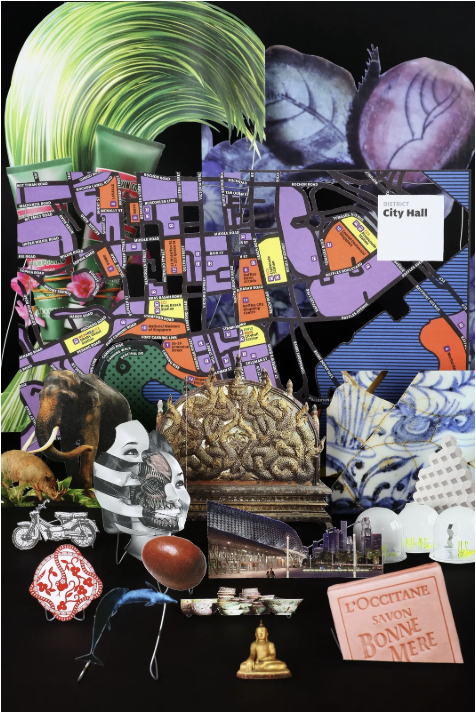
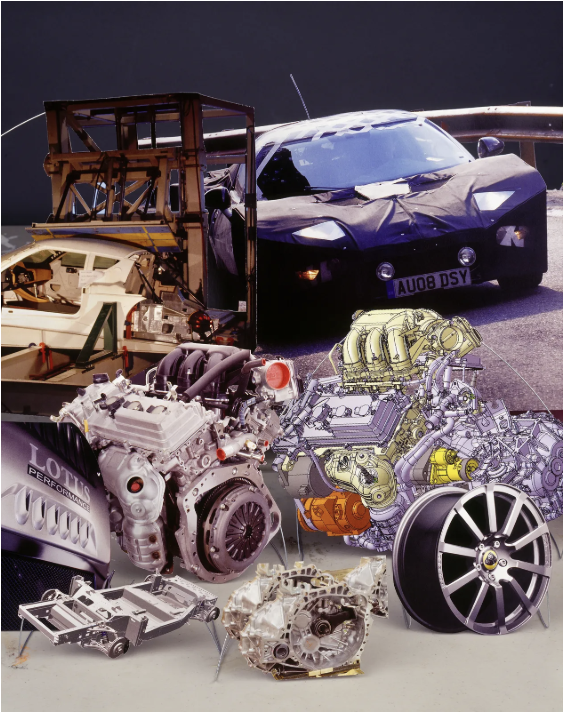
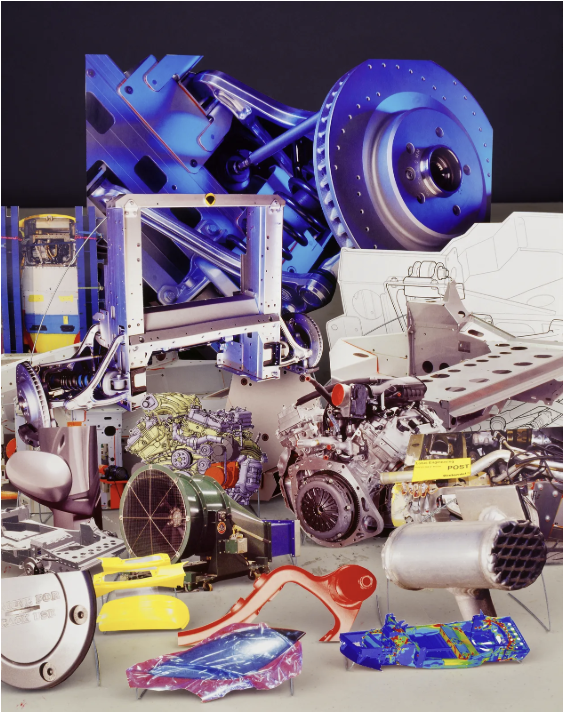
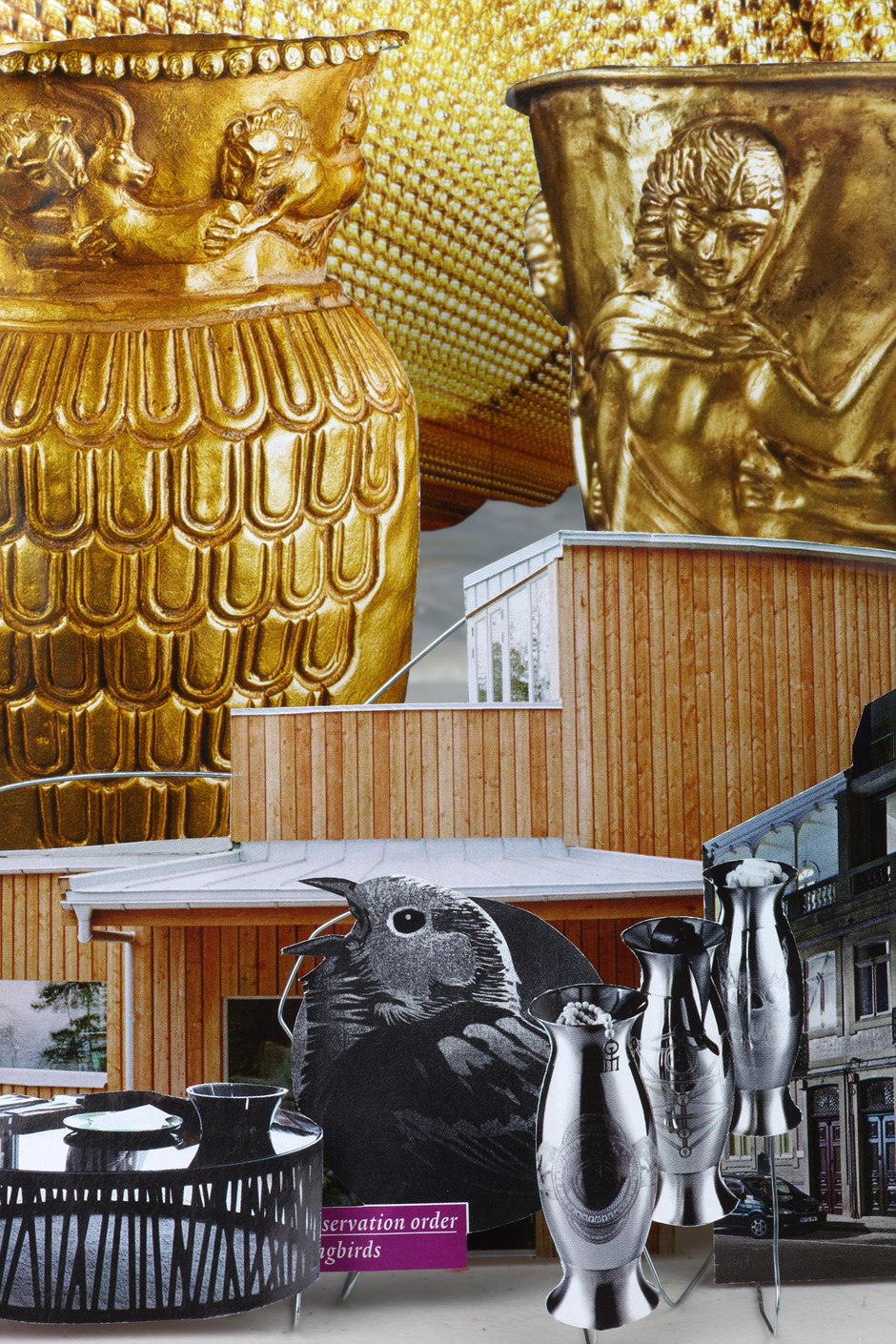
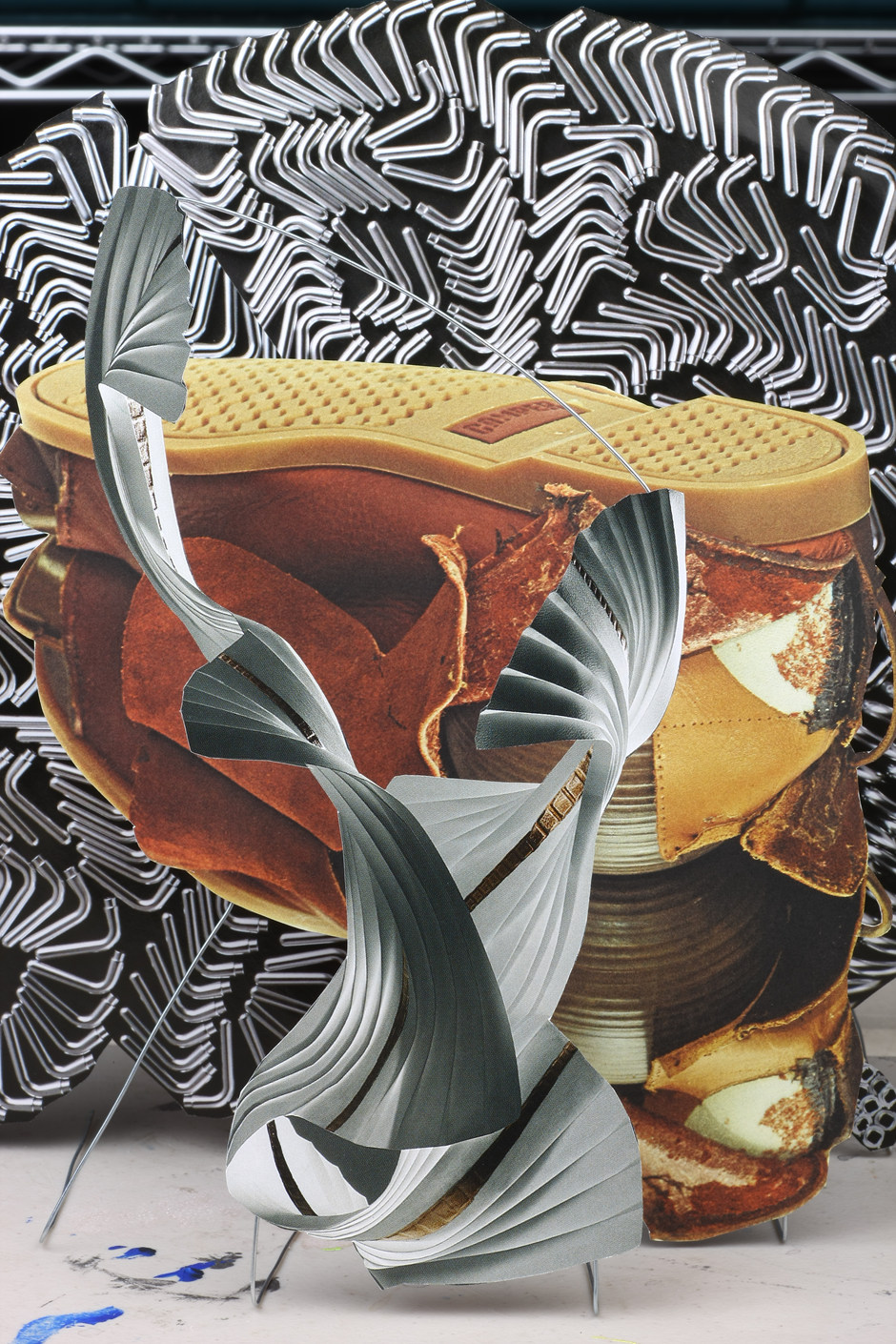
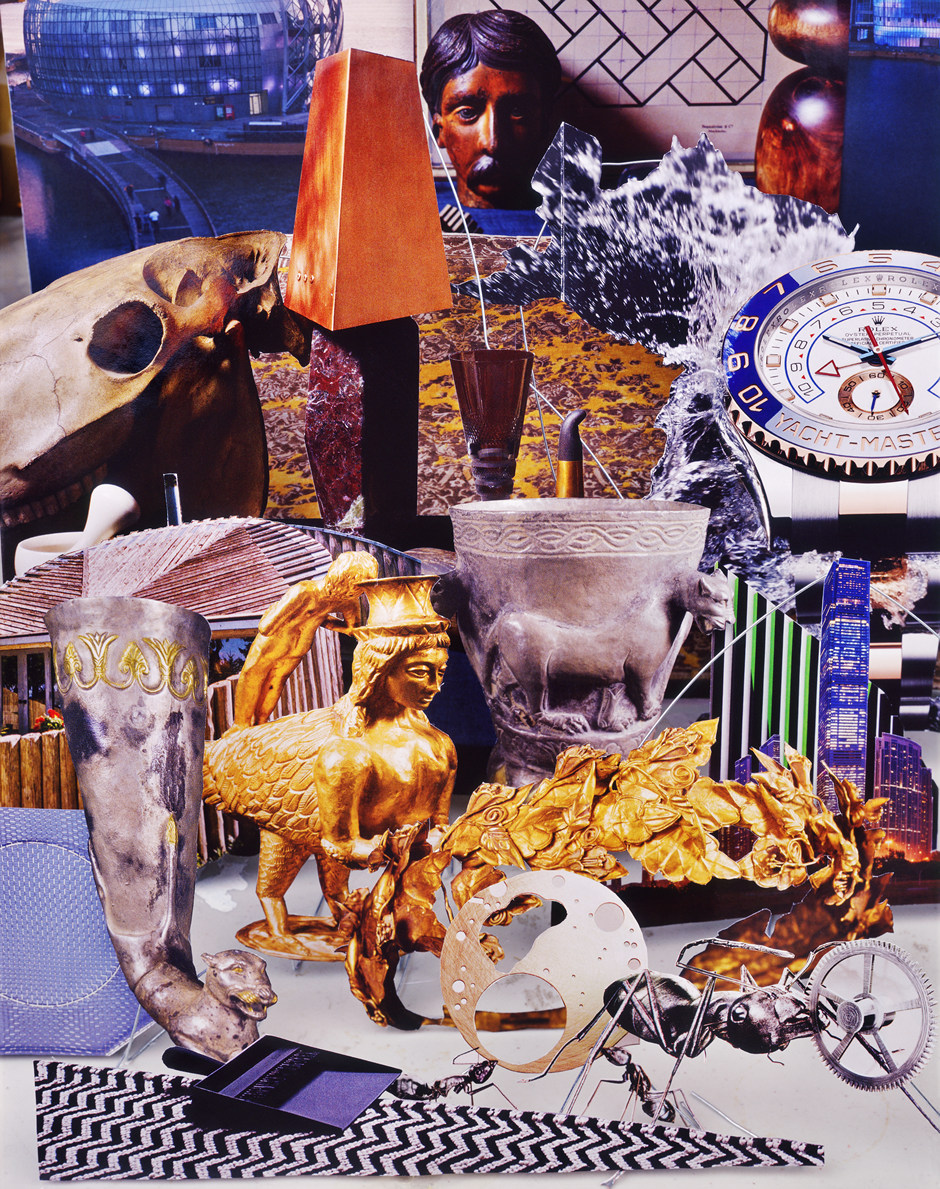
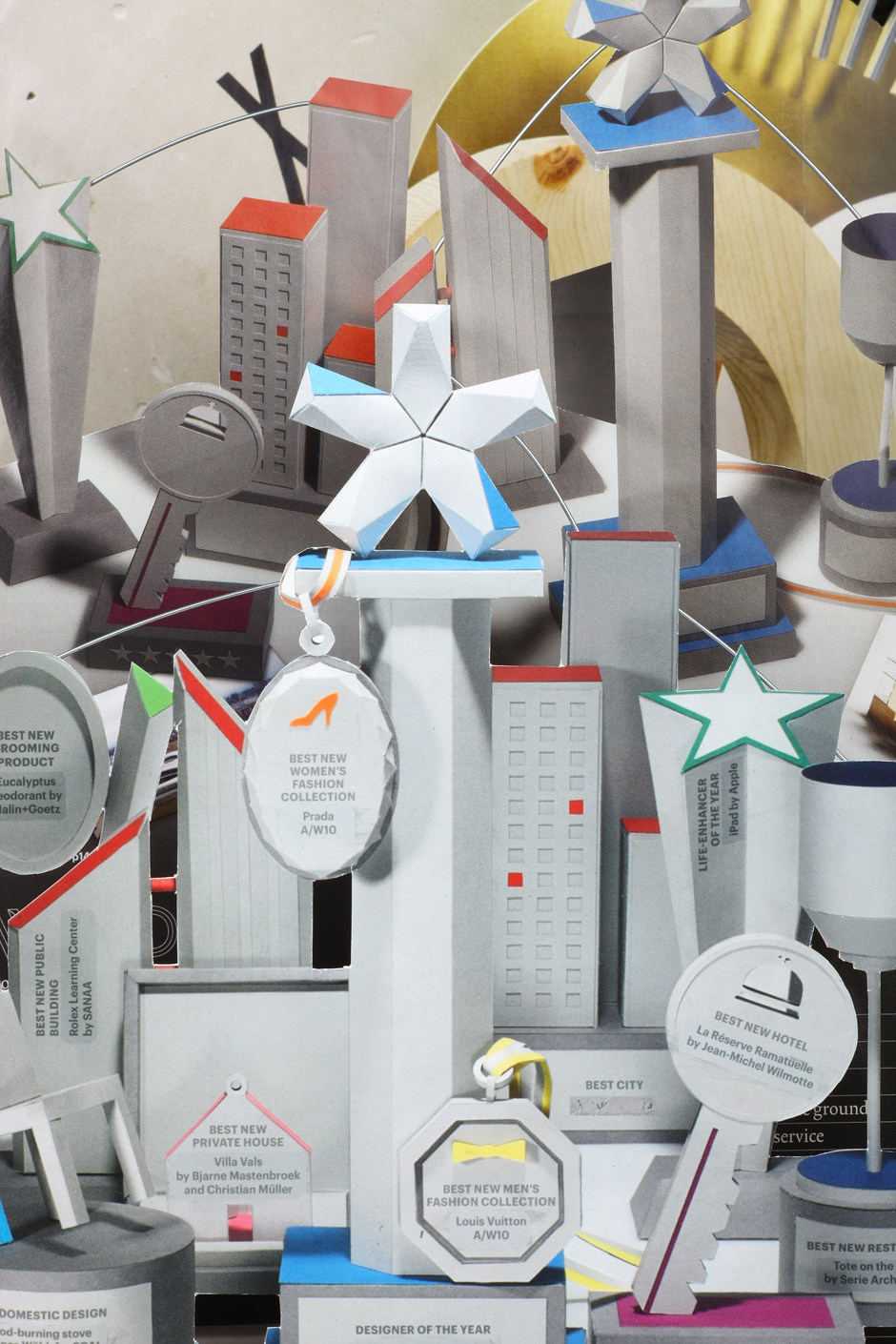
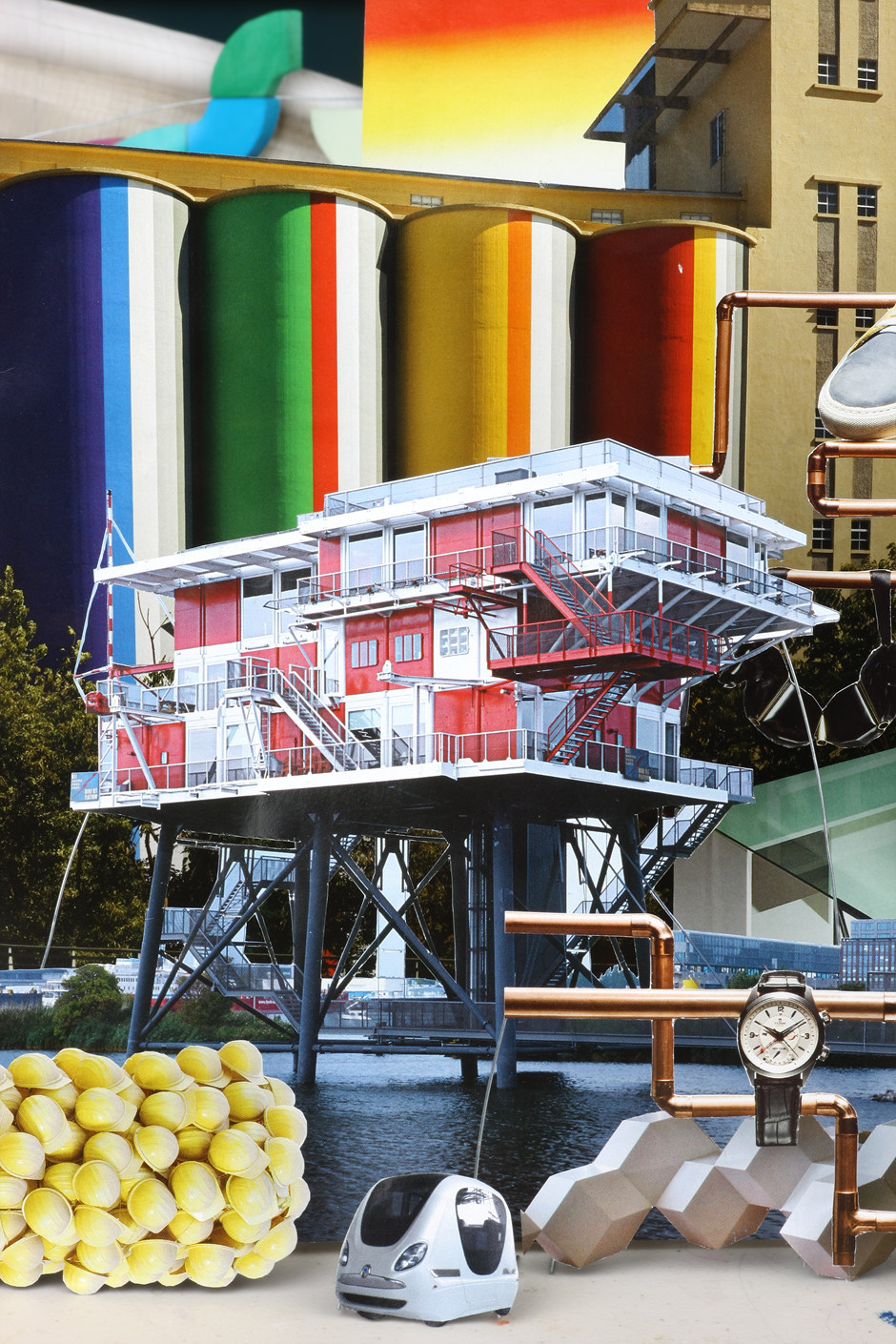
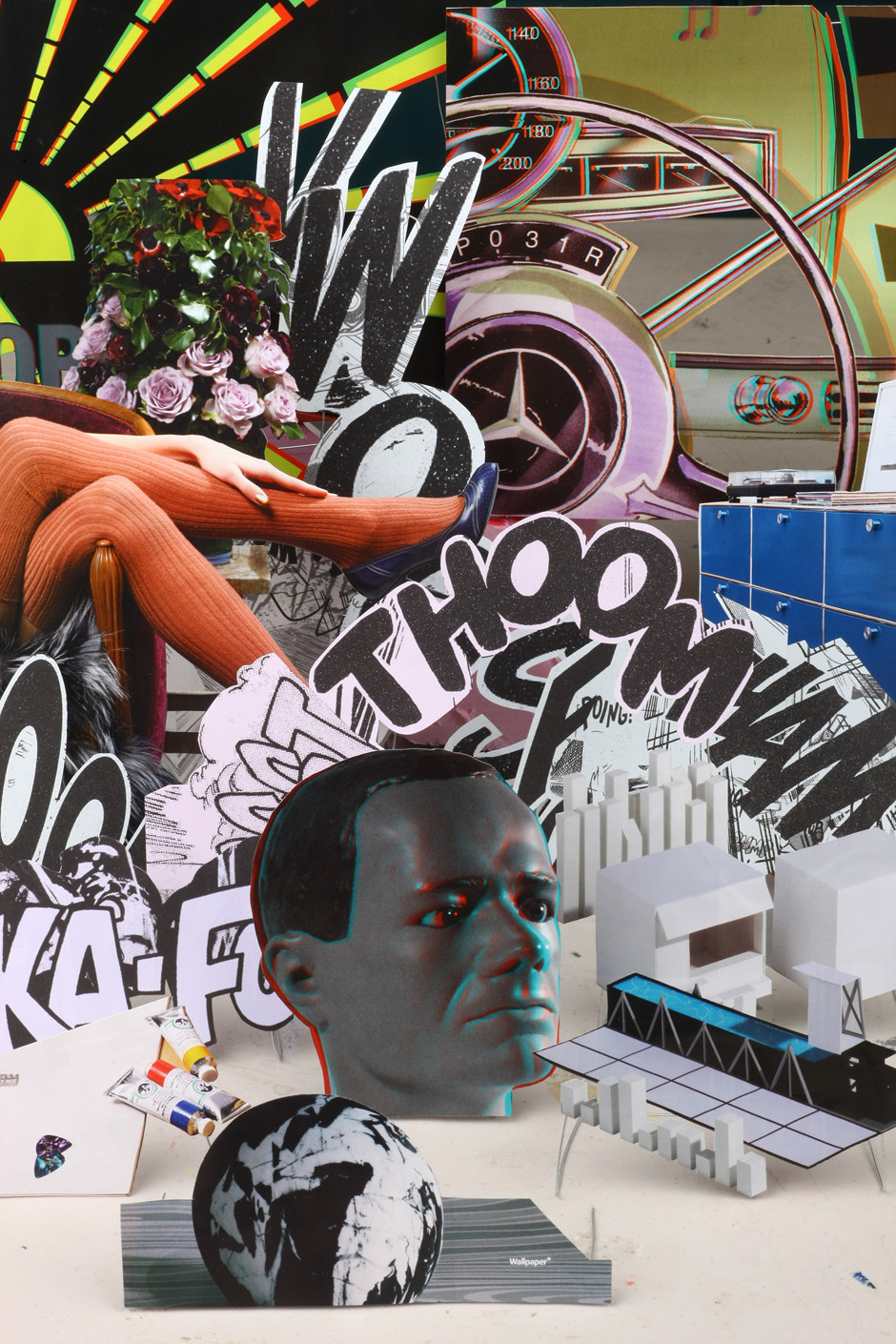
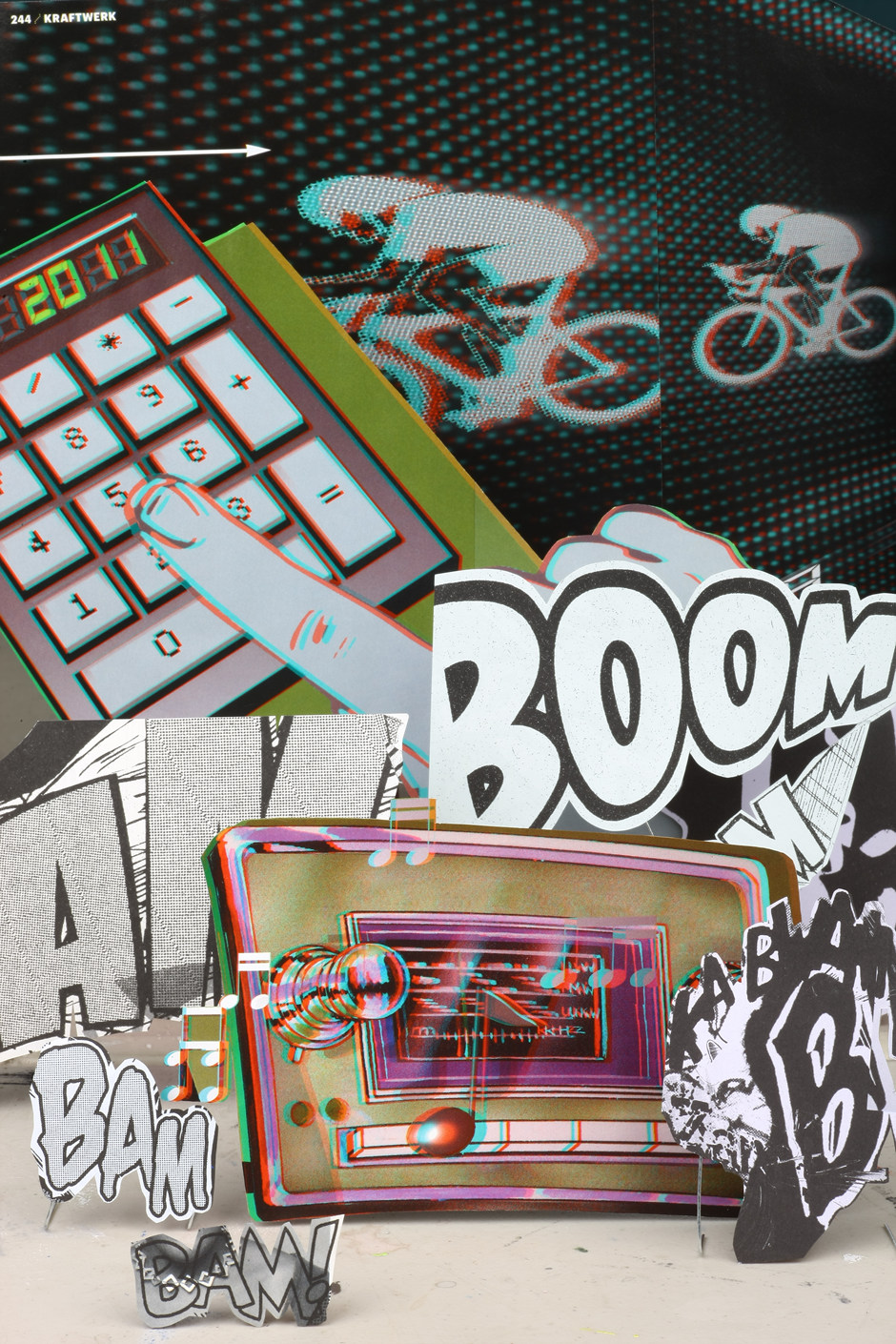
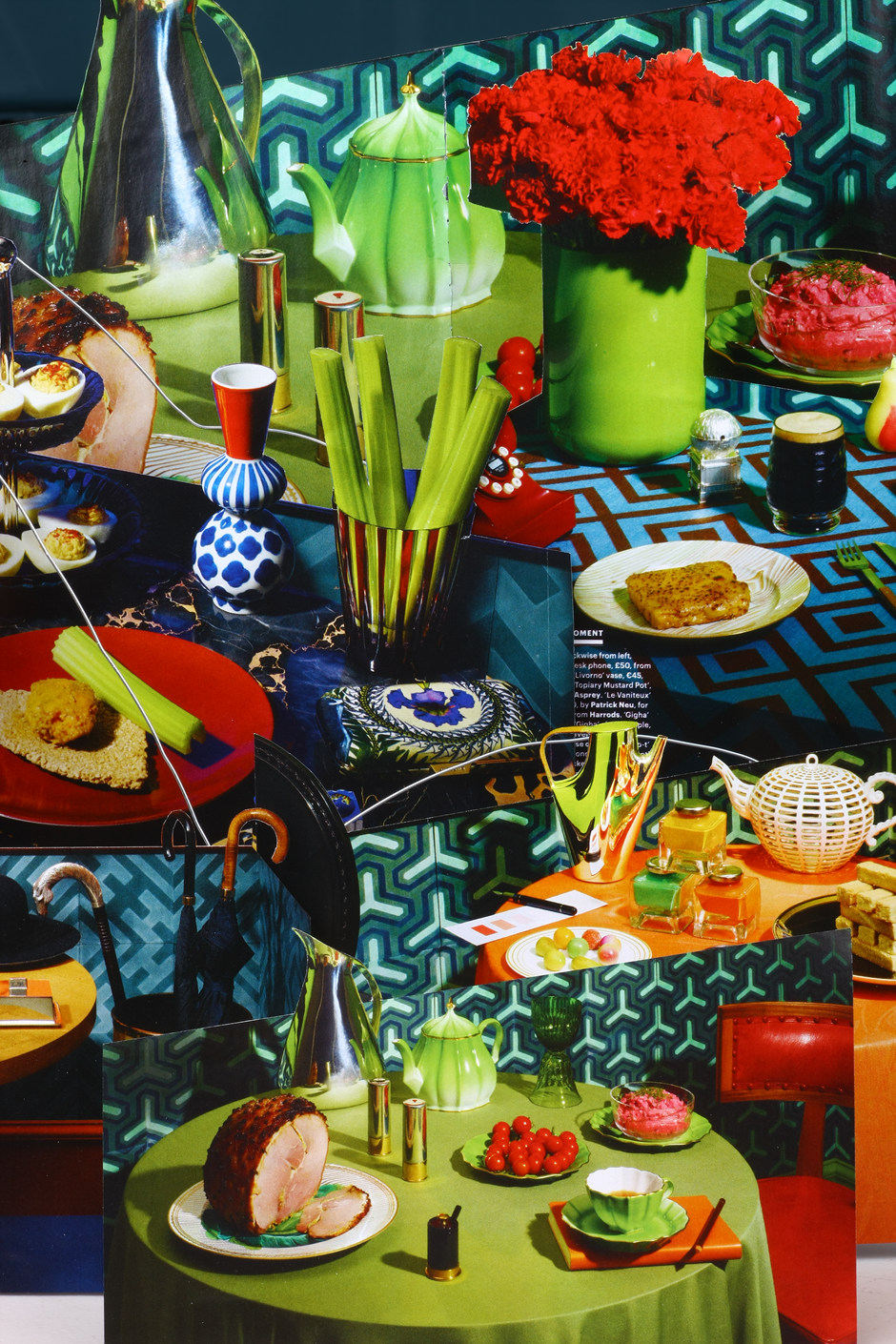
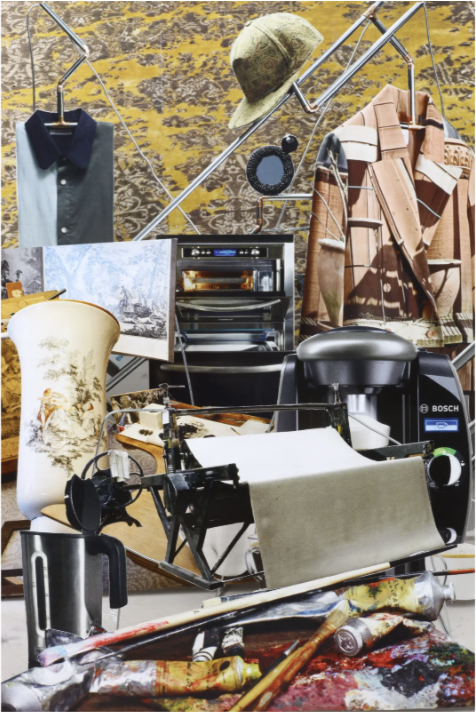
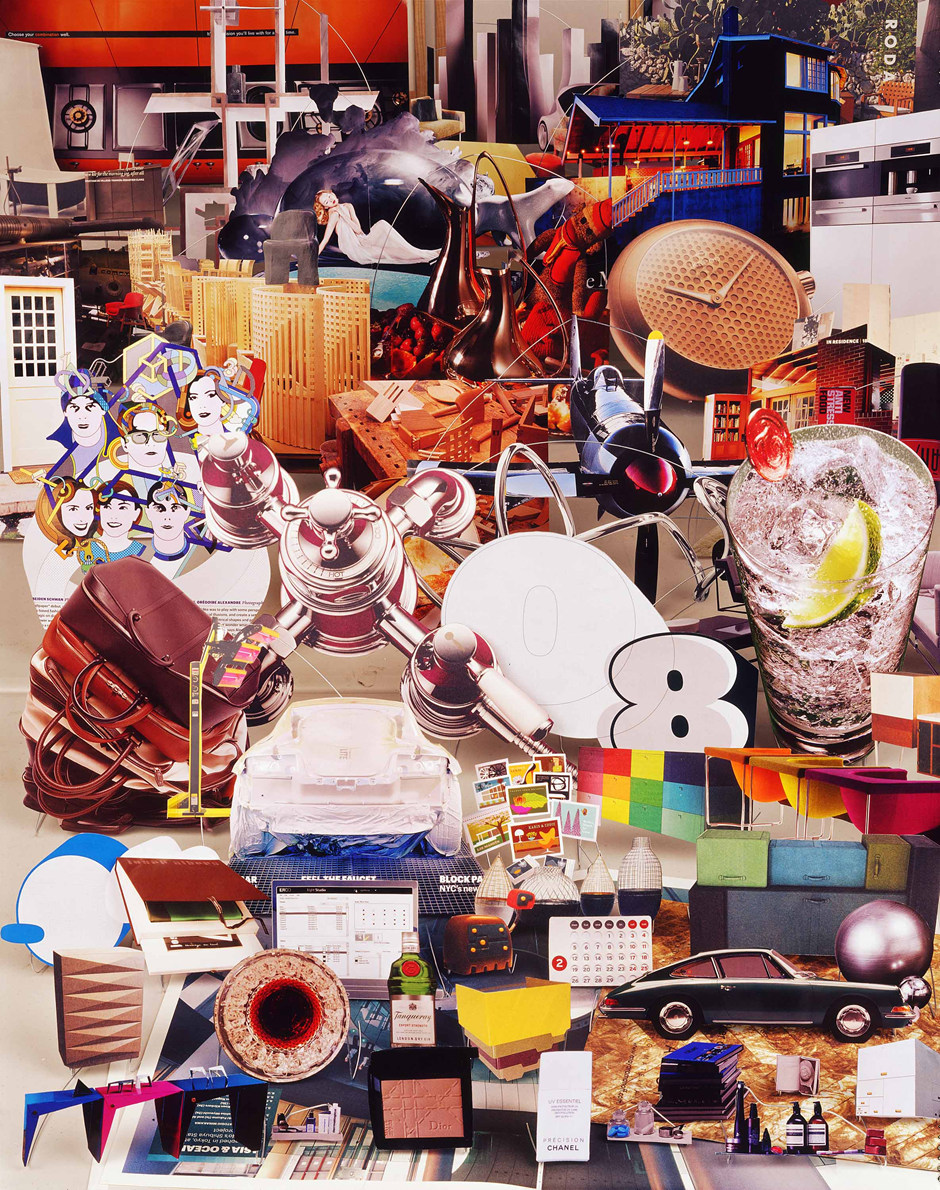
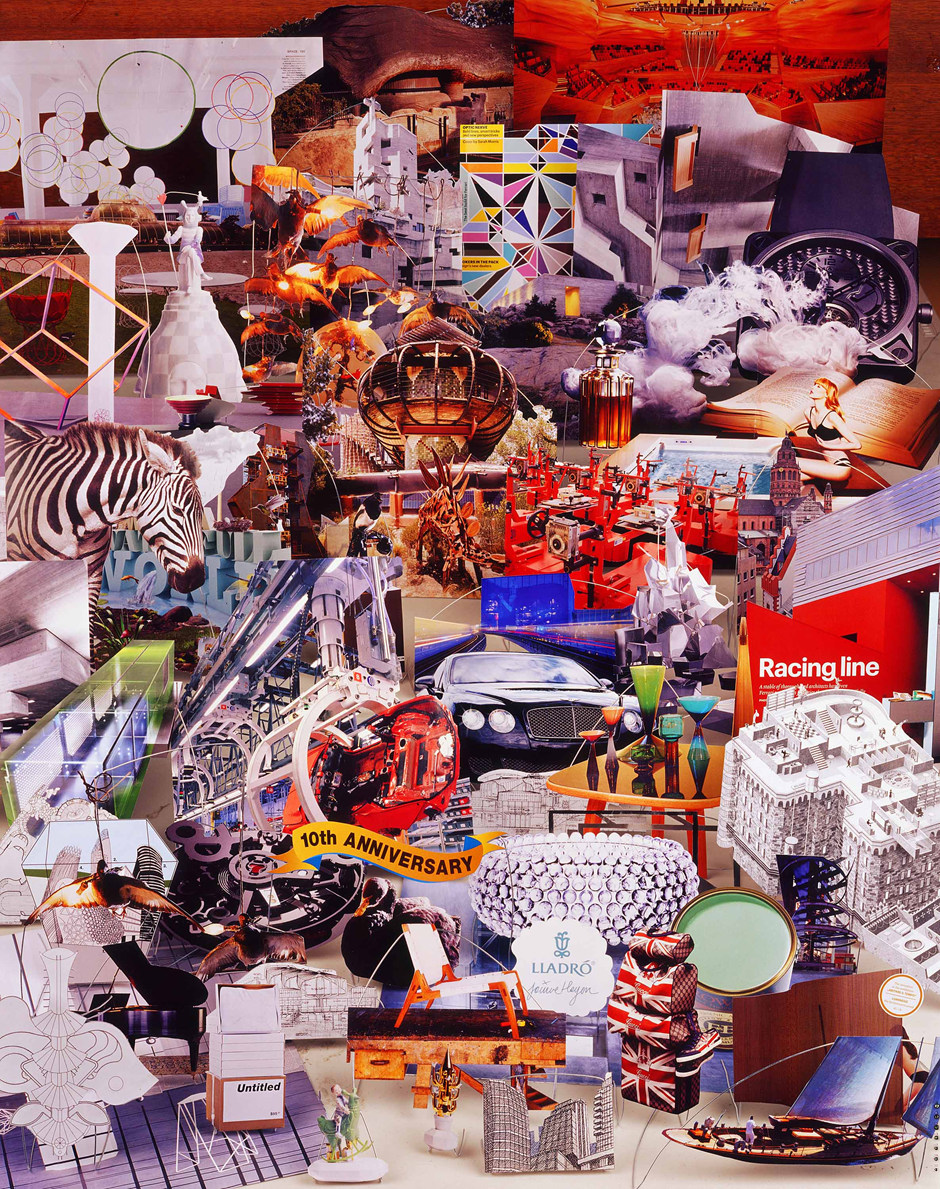
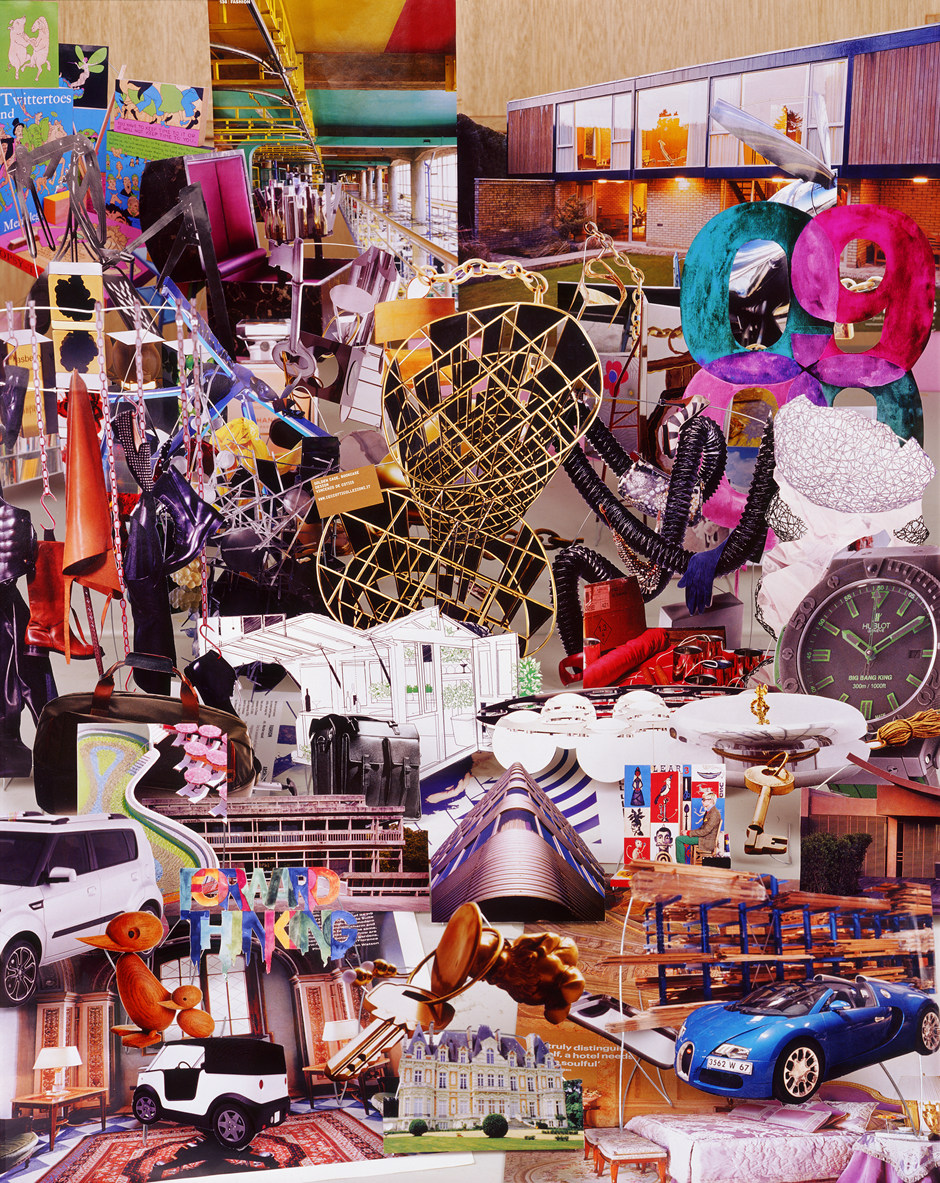
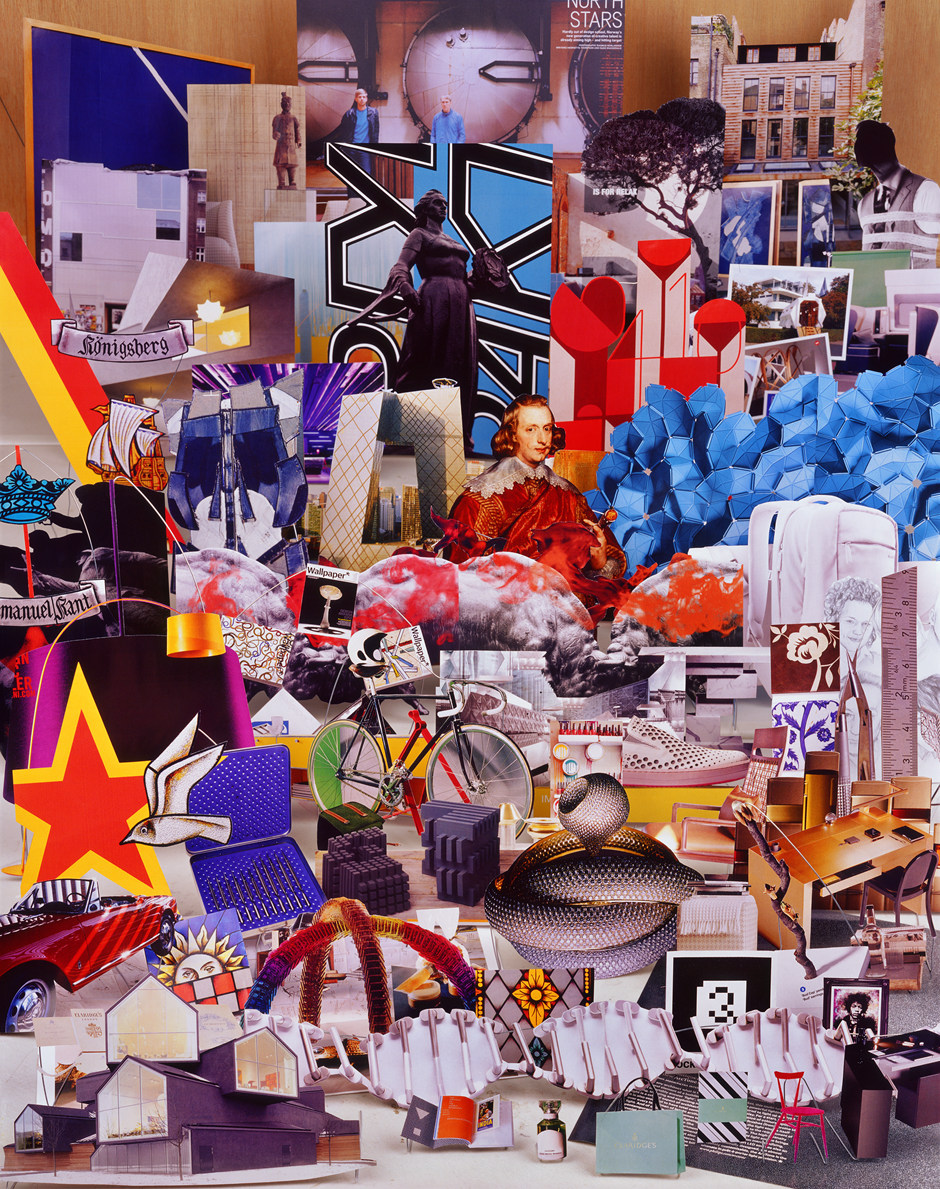
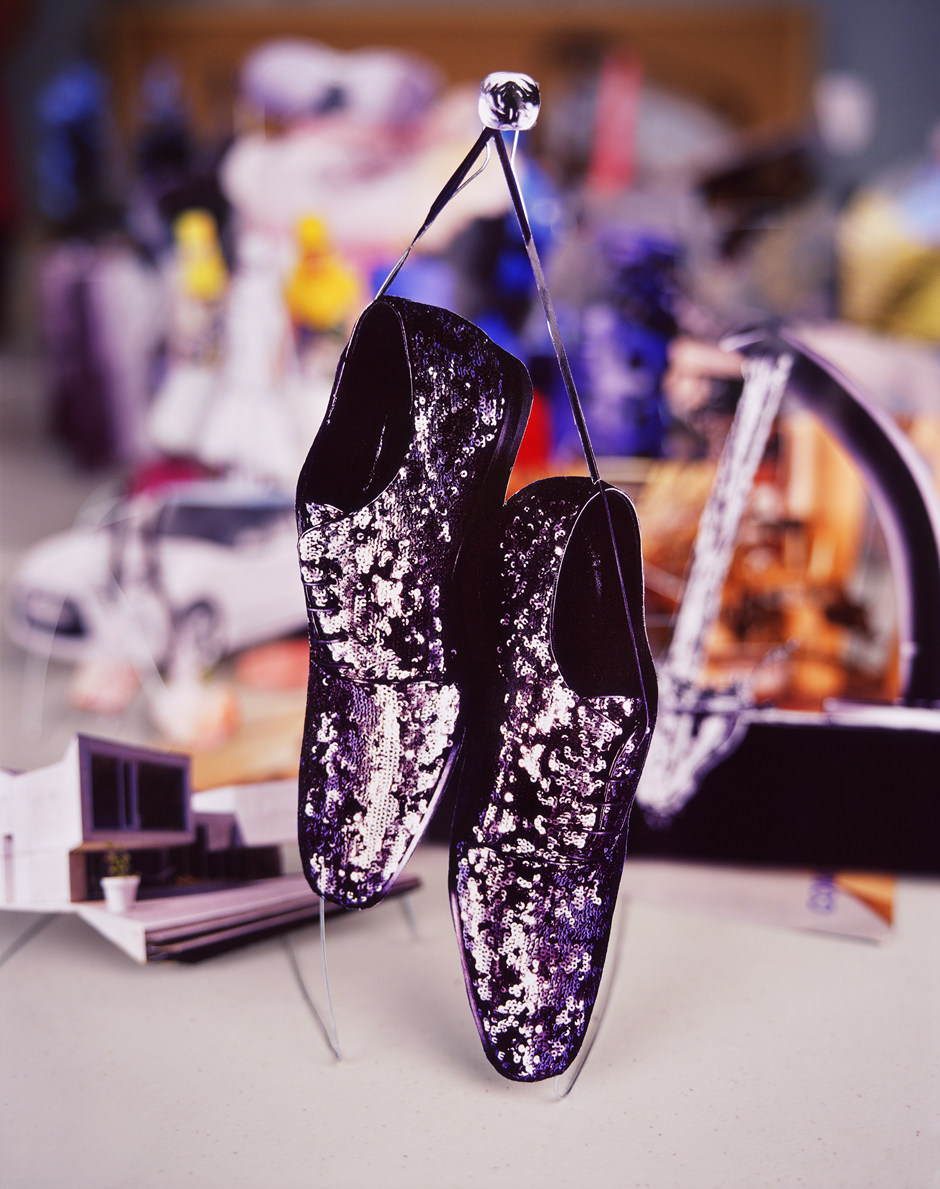
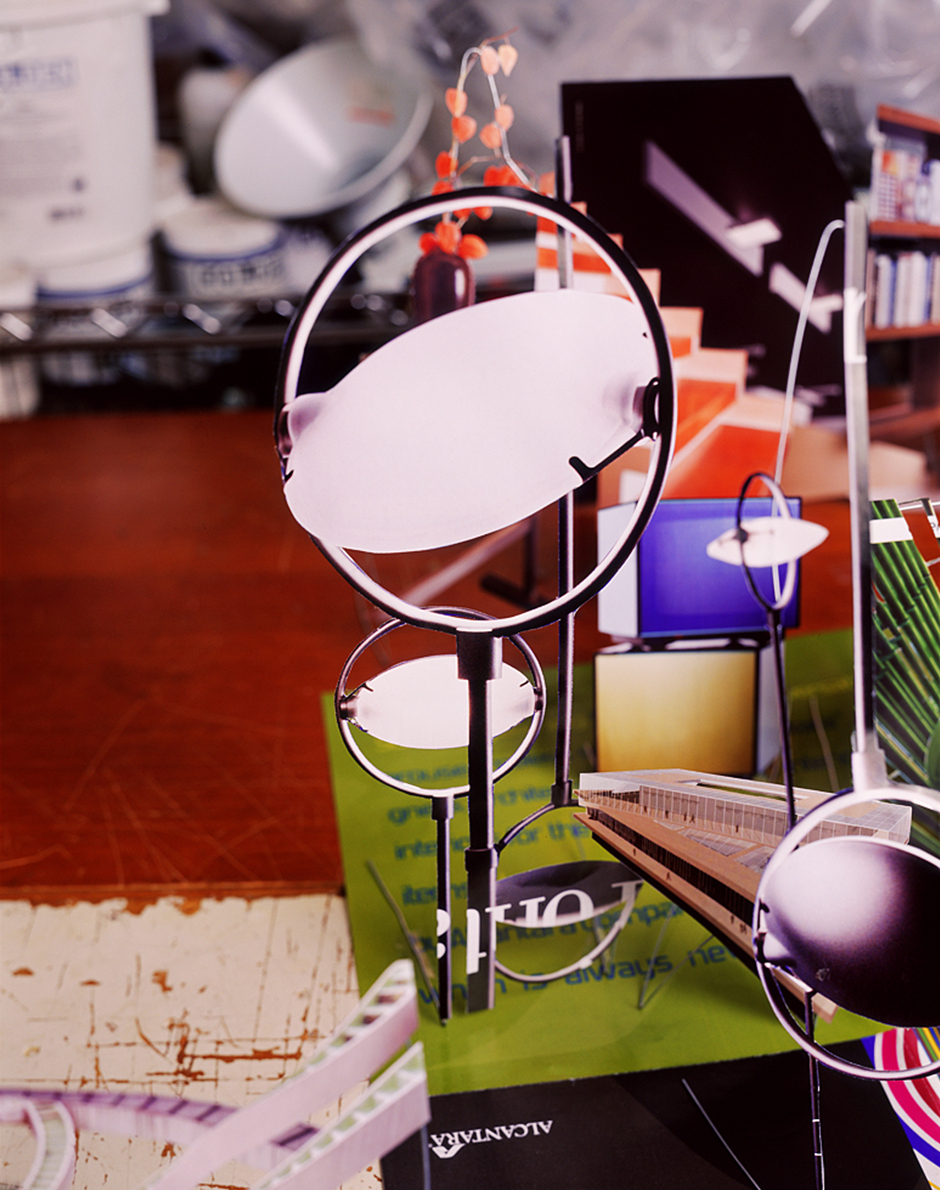
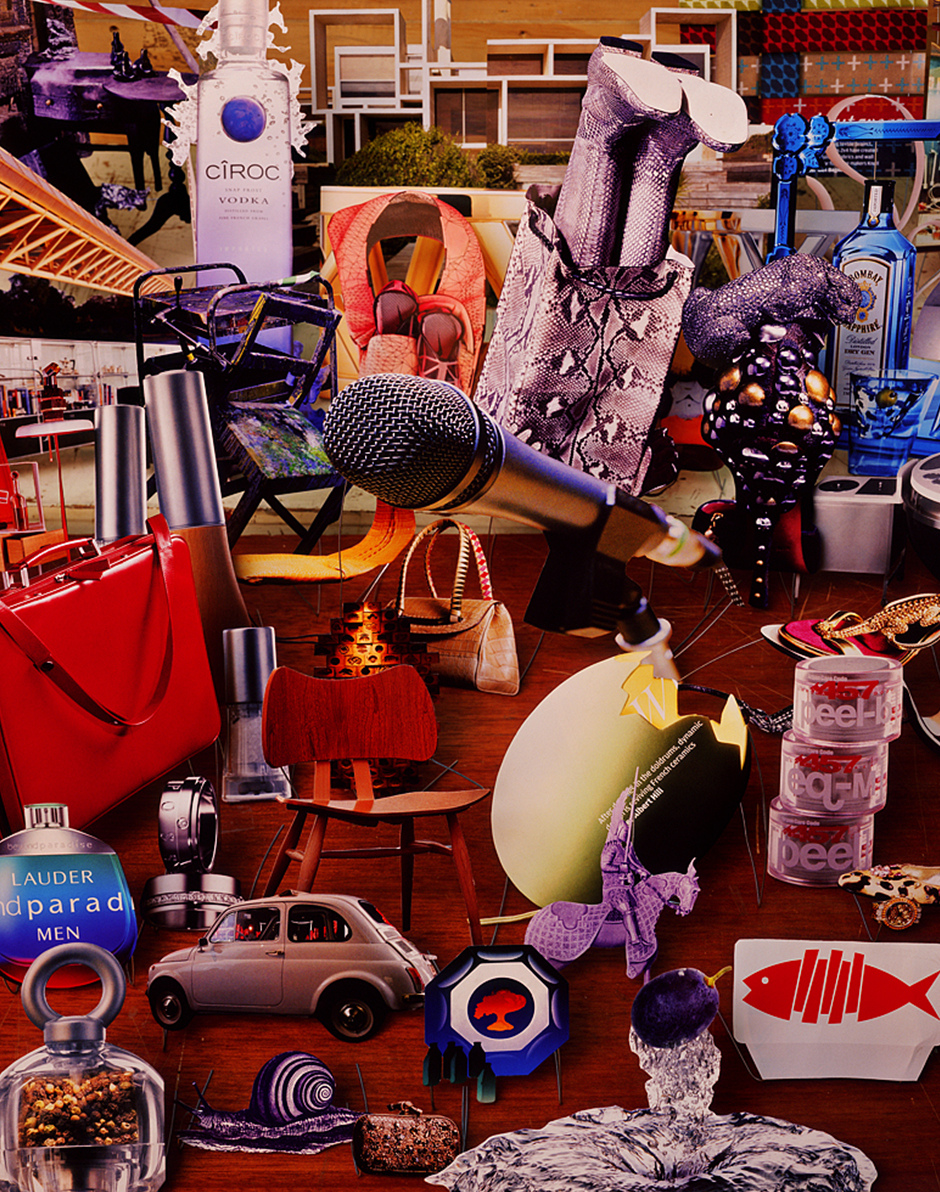
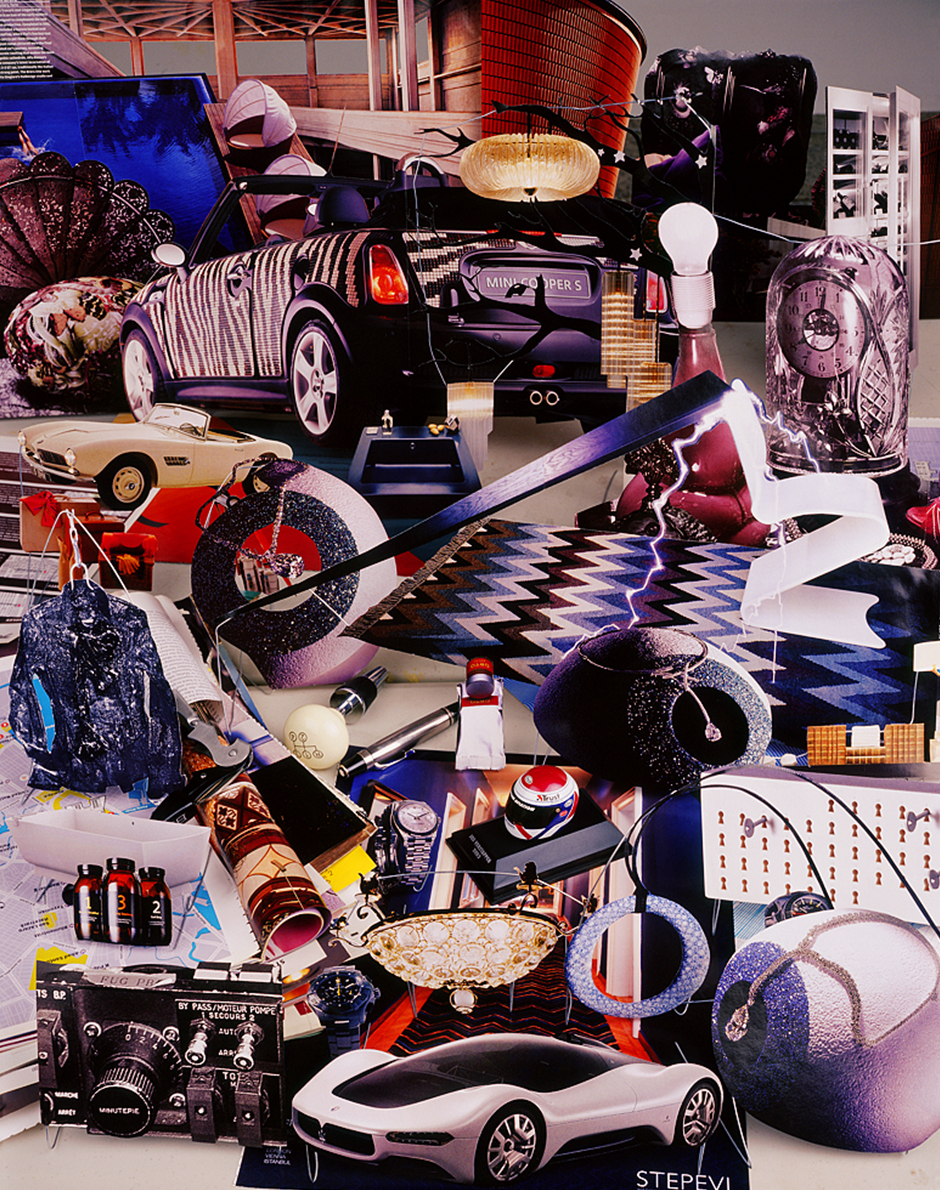
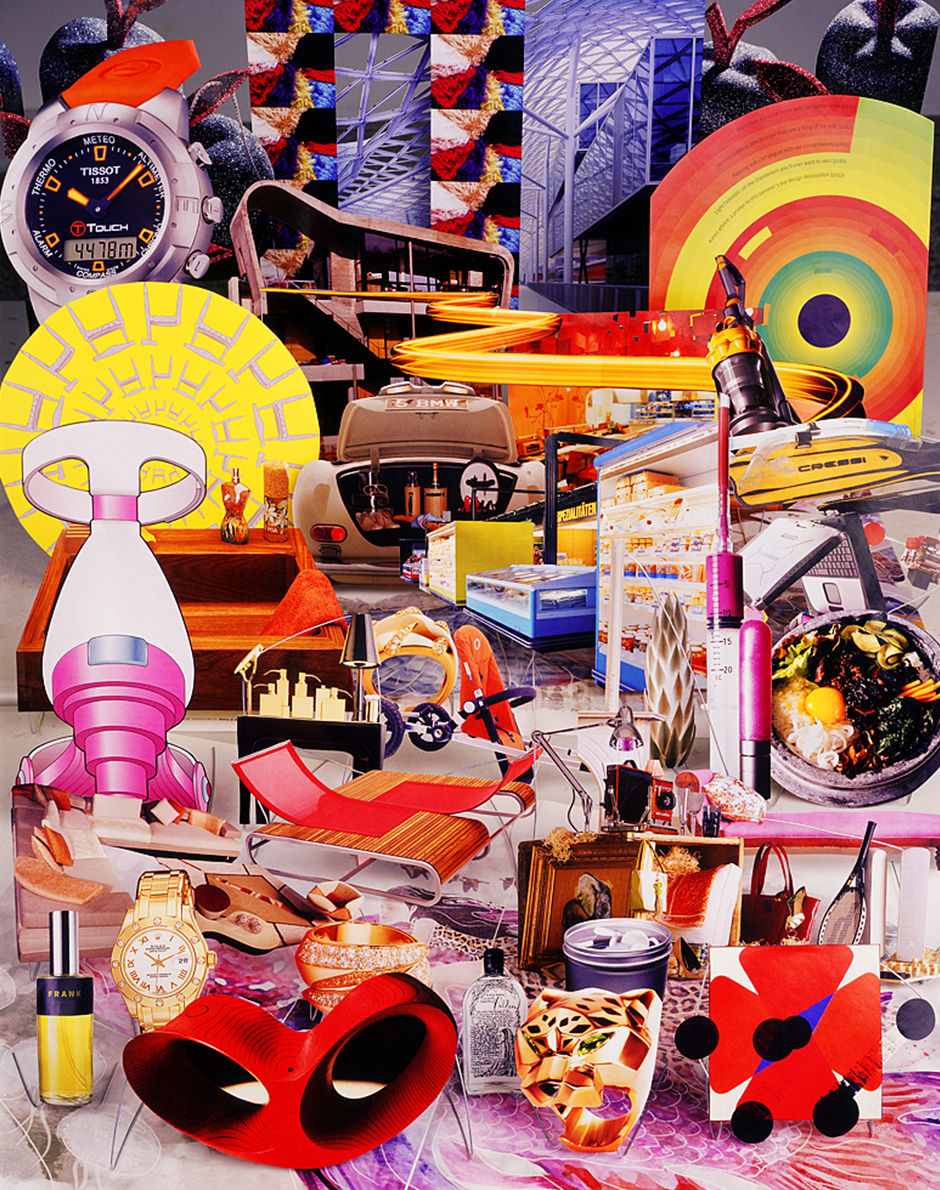
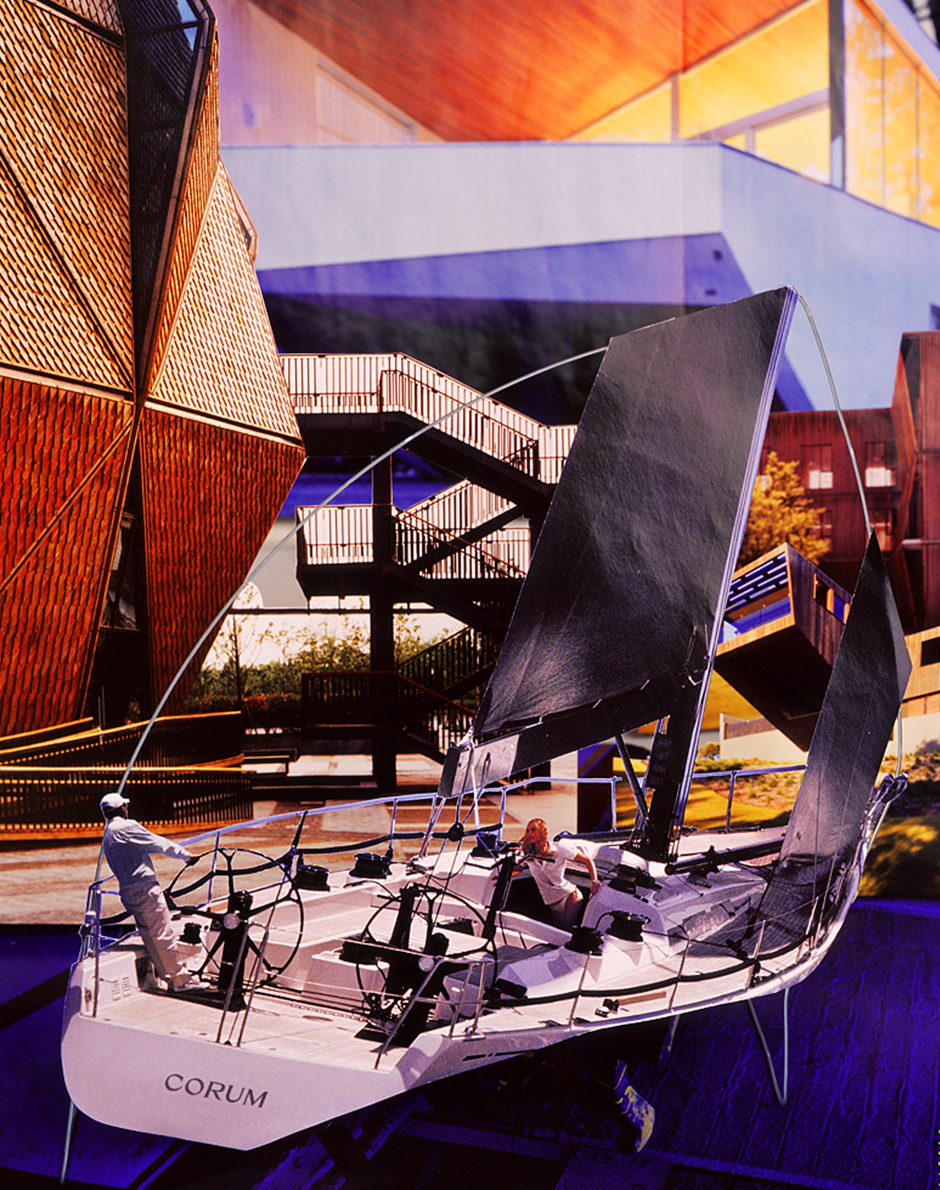
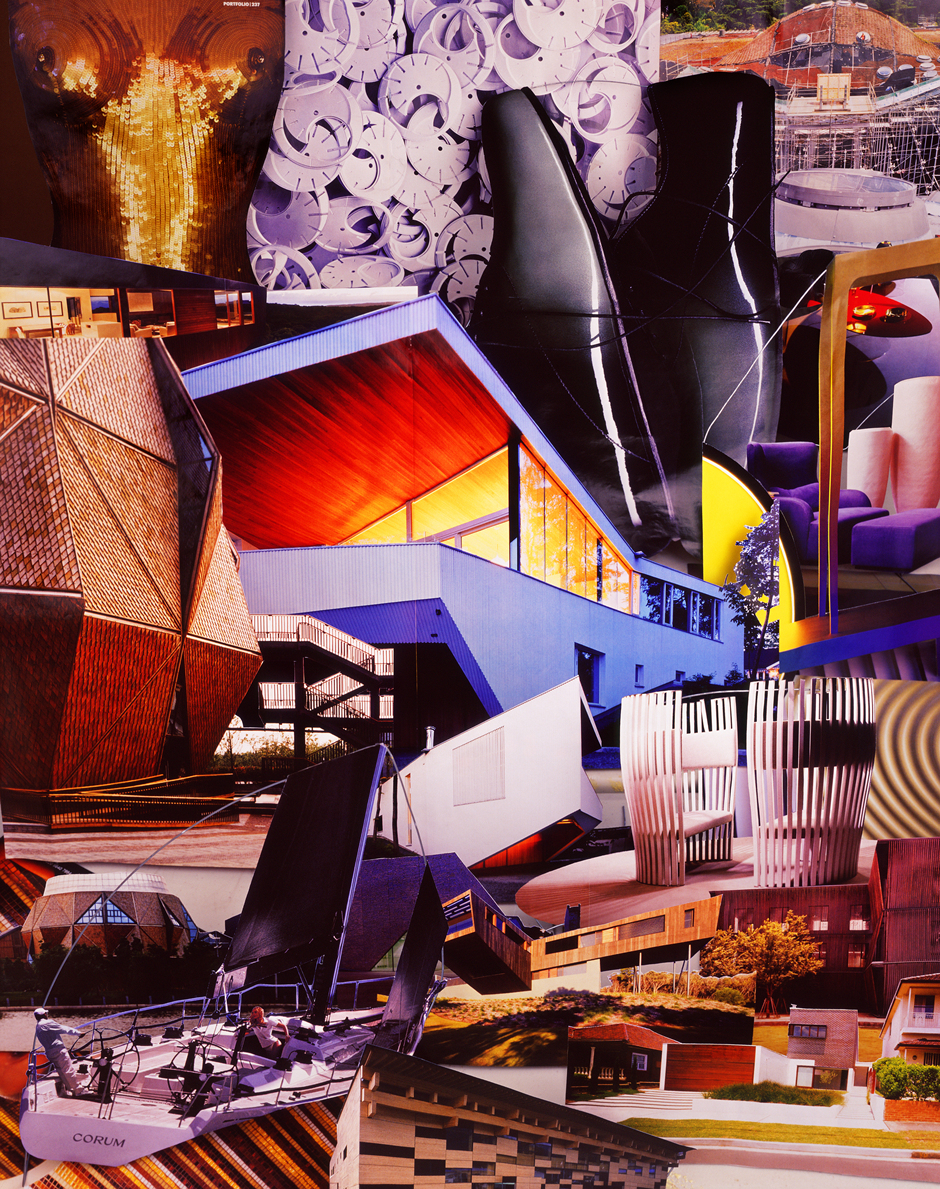
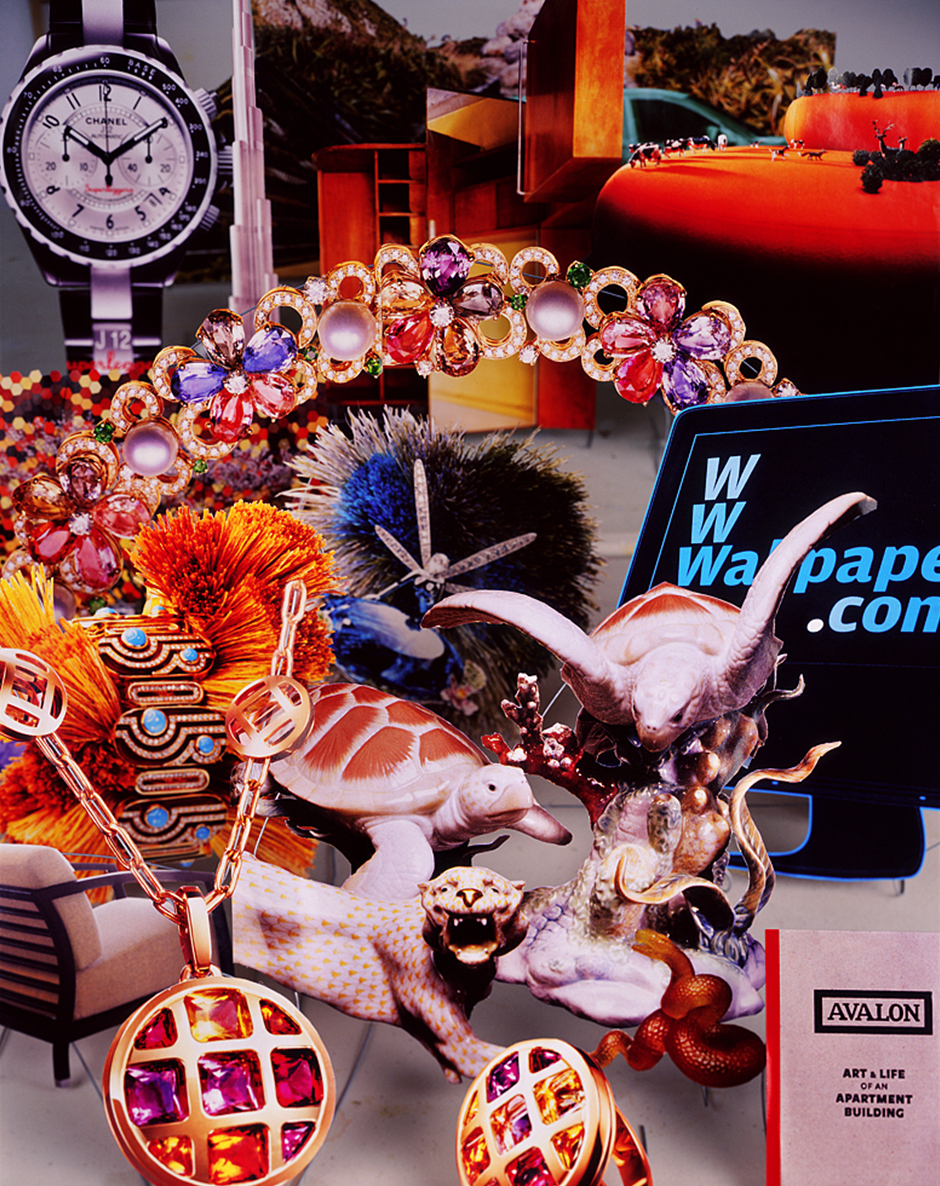
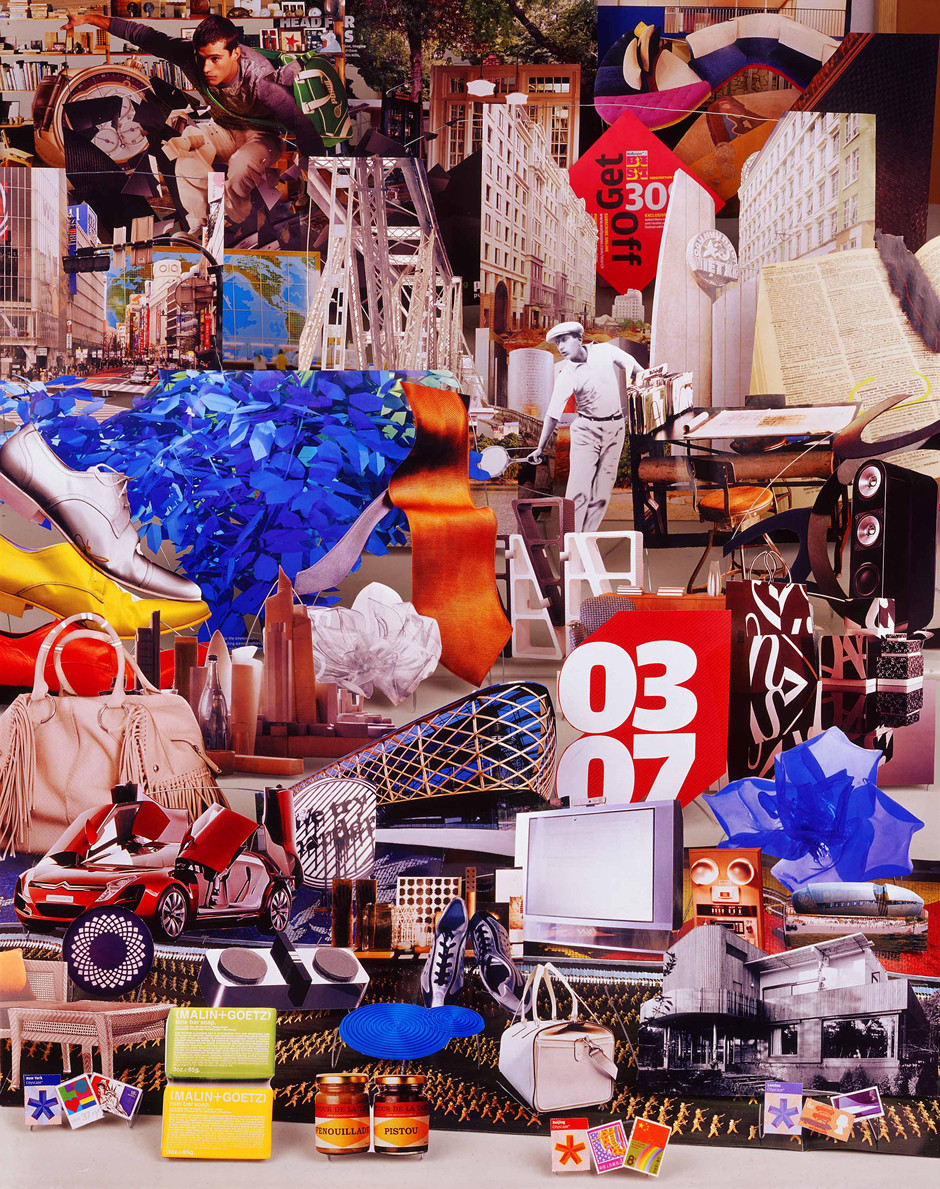
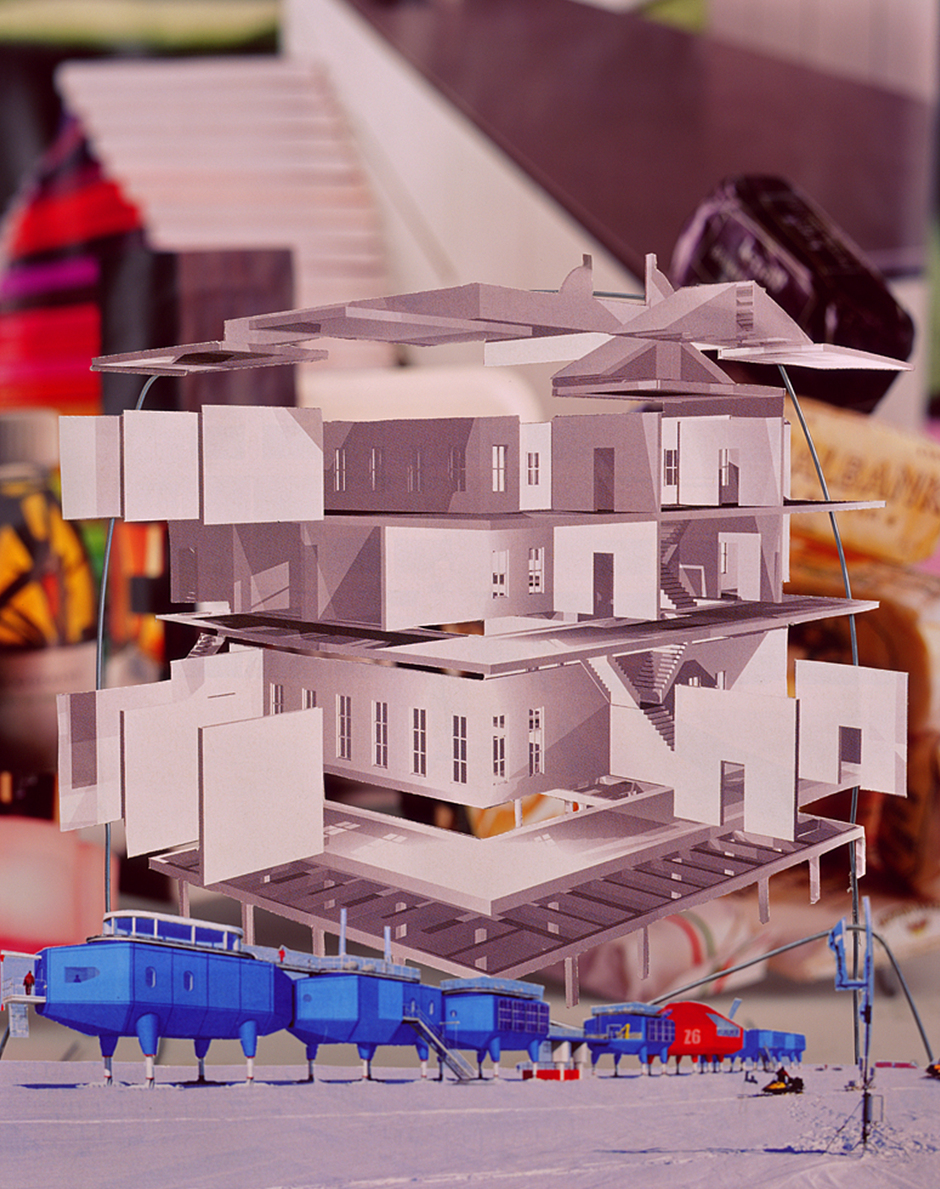
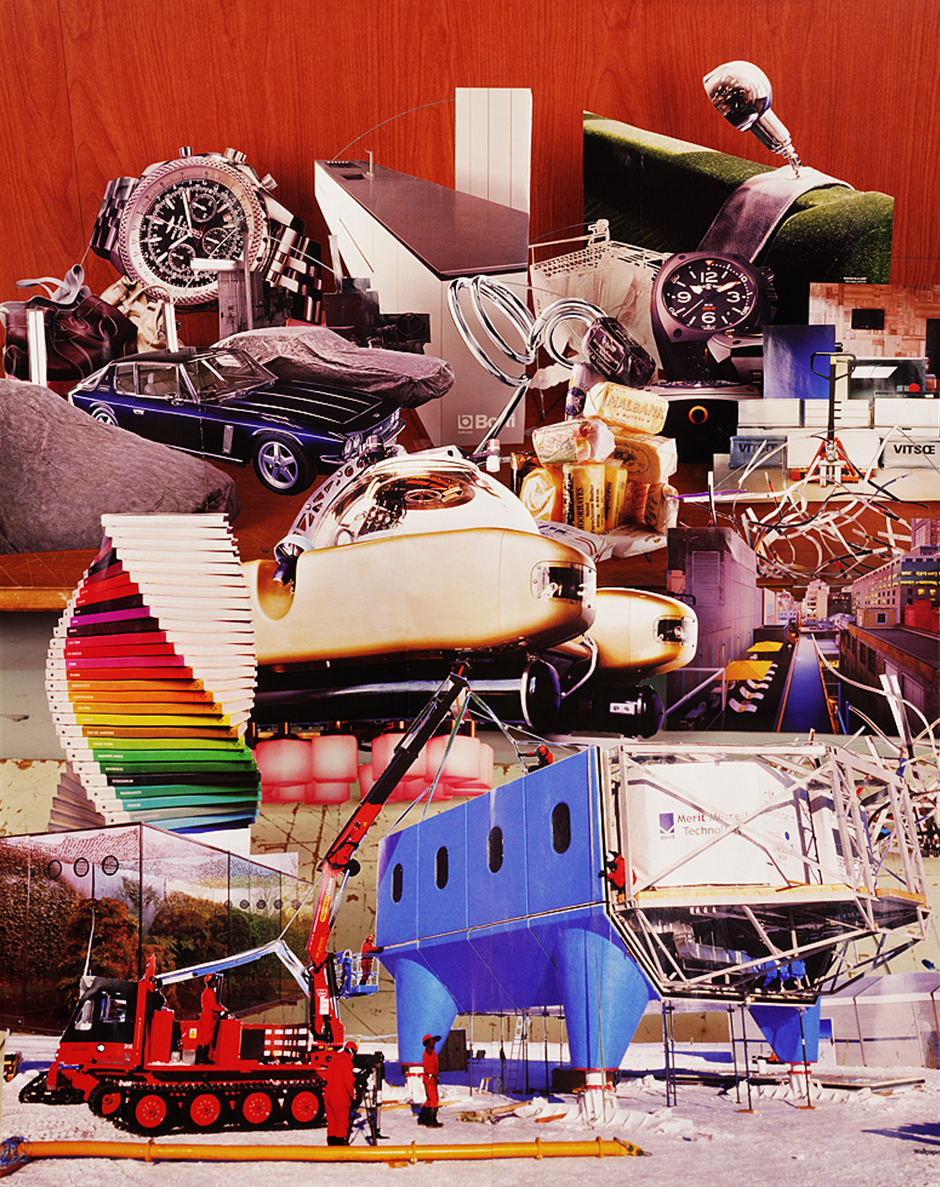
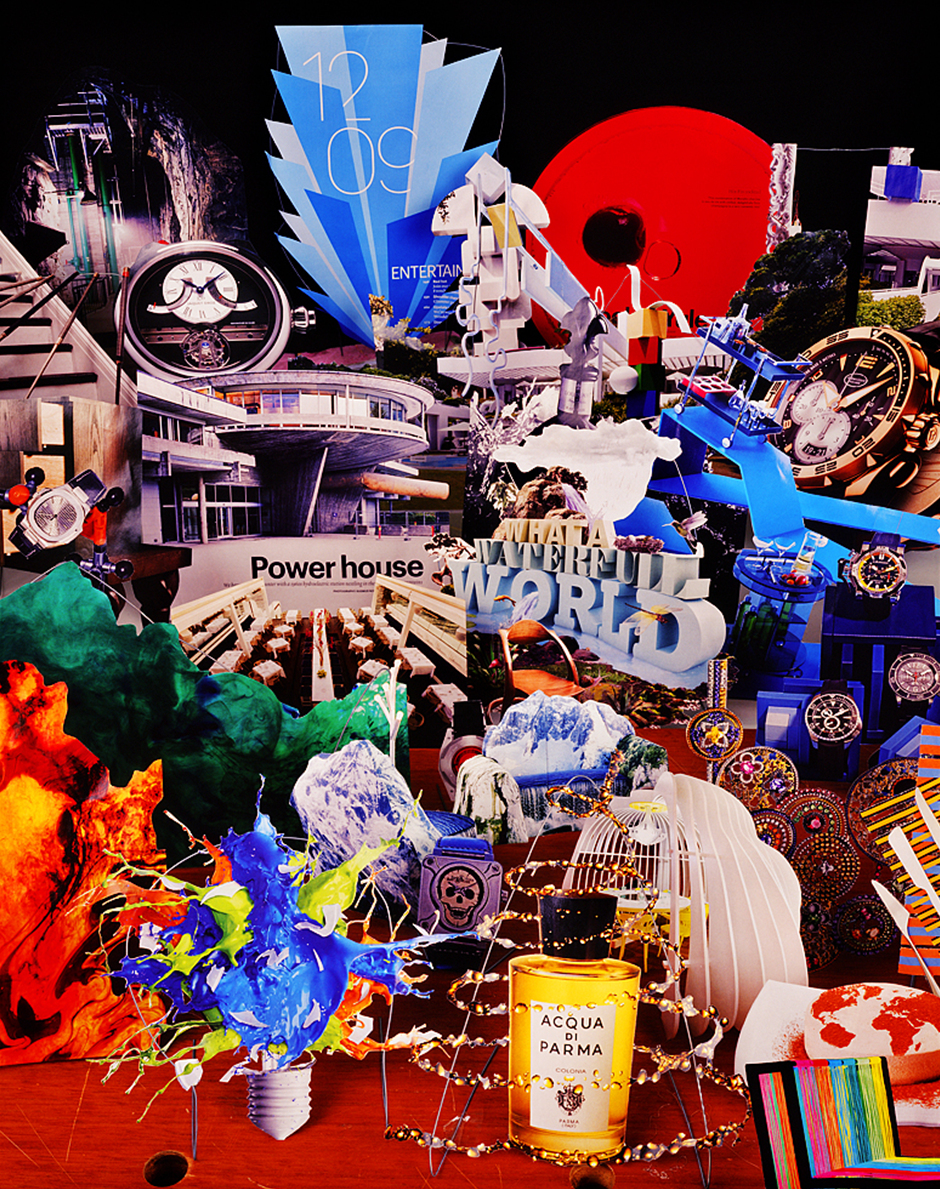
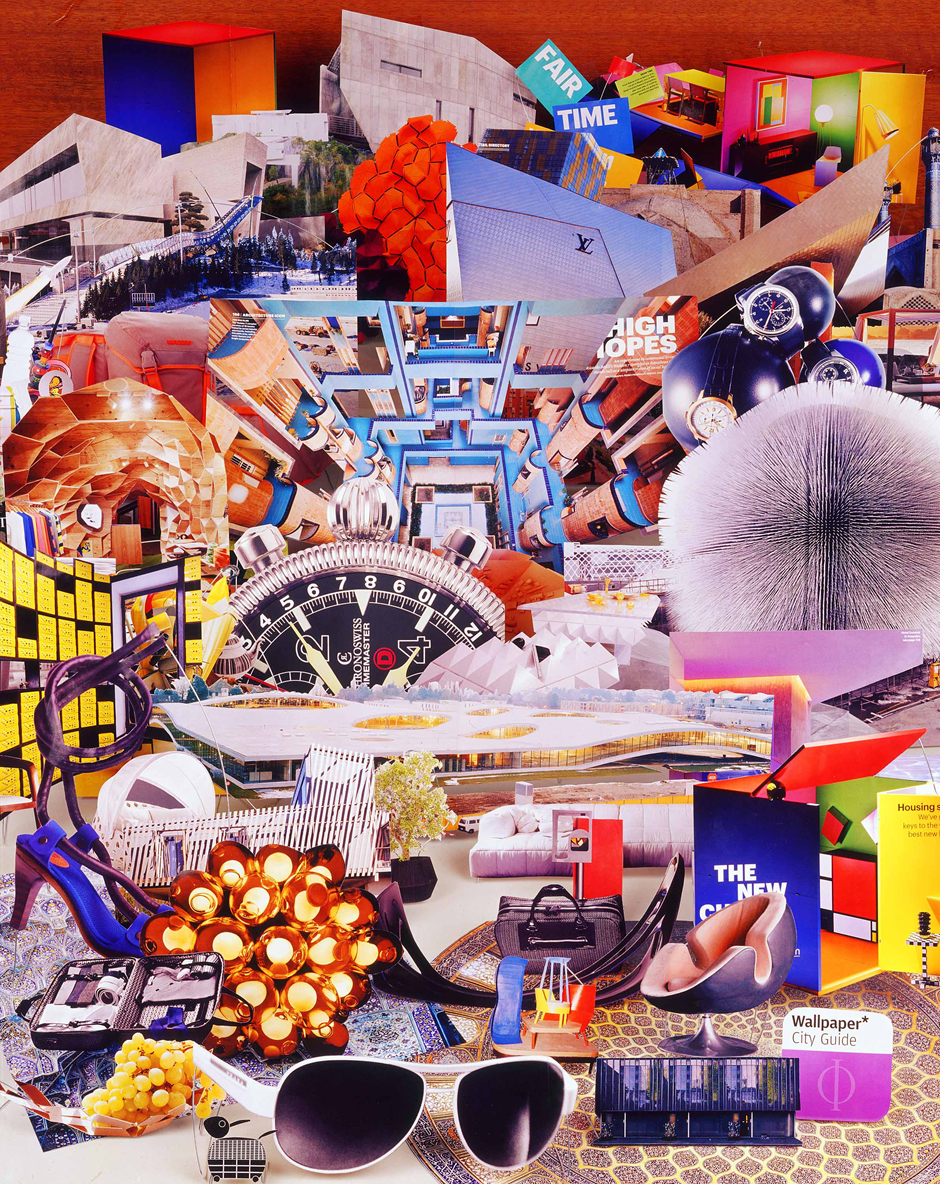
Within the ‘The Flat’ series, Gwon Osang extends his methodology beyond the mere collection of heterogeneous magazine imagery by constructing certain works exclusively from images drawn from a single issue of the design and lifestyle magazine “Wallpaper”. The production method of these works is also evident in the selection of the titles. For example, 2005 June (2010) is composed of images only from the June 2005 volume of a magazine. In these works, the source material is no longer limited to isolated commercial objects such as watches or jewelry, but expands to include architecture, furniture, graphic elements, and various designed objects that together constitute the visual culture of a specific moment.
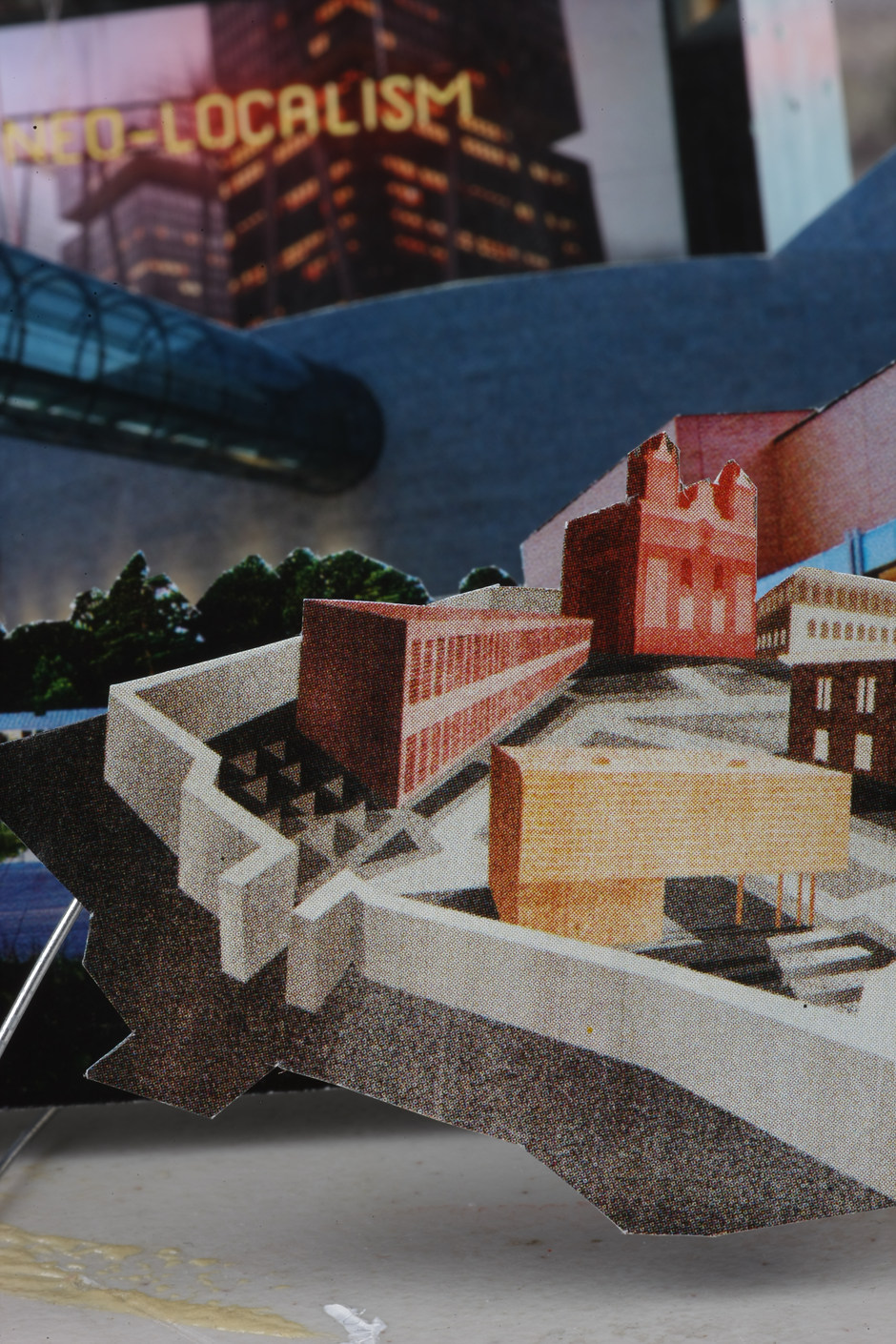
A single issue of a magazine operates as a concentrated index of contemporaneous taste, sensibility, and the prevailing criteria of what is considered desirable or “good” within a given time. By disassembling and reconfiguring this temporally unified set of images, the artist brings into coexistence visual elements that differ in scale, perspective, and function, thereby constructing a scene that resists any singular system of perspective or narrative coherence. The resulting image is not governed by spatial unity but instead takes the form of a patchwork-like surface in which heterogeneous elements are juxtaposed and held in tension.
What is at stake in these works is not the act of collecting images, but rather the compression of time. Although the composition appears to gather disparate objects, it in fact reconstructs images produced within the same temporal frame into a single plane, allowing one magazine issue to function as a total visual environment and a condensed field of sensibility. In this sense, the work does not simply represent individual objects but instead reveals the structural conditions through which visual culture is organized and circulated at a given historical moment.
Ultimately, the “Wallpaper”-based works within ‘The Flat’ move beyond the material transformation of images and toward a sculptural reconfiguration of the contemporary visual environment itself. What is presented is no longer the representation of discrete objects, but a scene that exposes the relational logic and compositional strategies through which images of an era are produced, arranged, and perceived—making visible the very conditions under which our sense of the present is constructed.